Lead Time

Lead time is the elapsed time from an order or a change to the moment parts or tooling are ready, as distinct from the cycle time of each shot.

Every Lead Time article of the Injection Molding Resources, newest first, each written from published standards, research and makers’ data.

Meaning

Lead time is the elapsed time from an order or a change to the moment parts or tooling are ready, as distinct from the cycle time of each shot. In a bridge molding run most of it lies before molding starts: tool build, sampling, color matching and any coating or repair that takes the tool out of the press.

Color

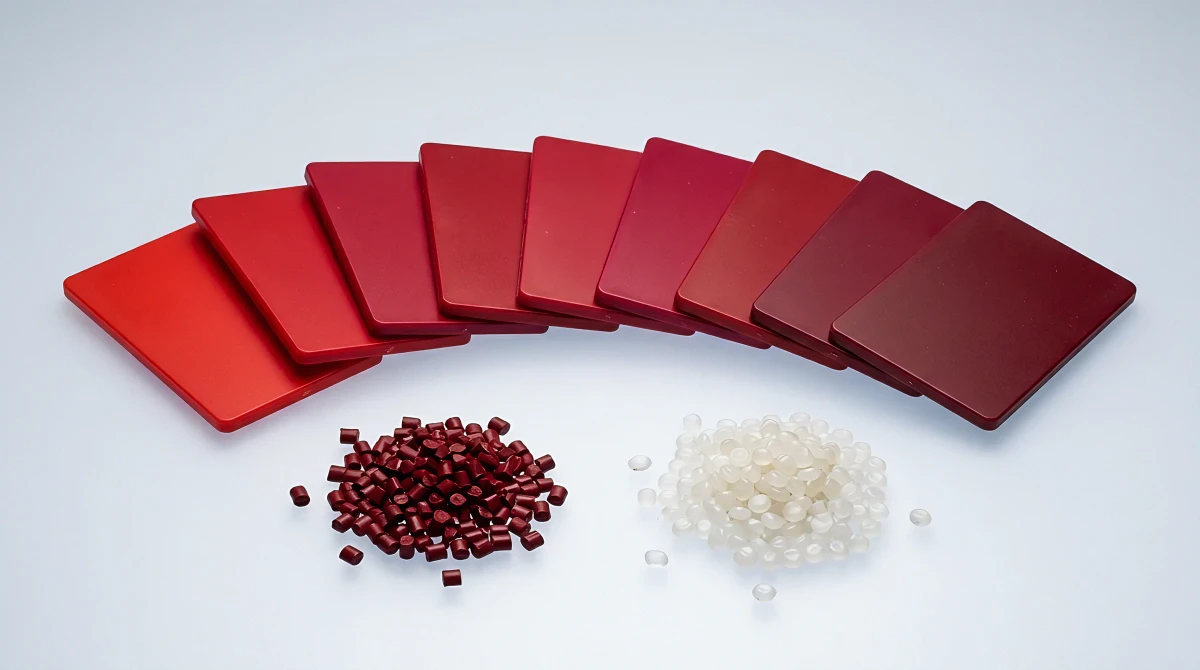
Machine Design reported that a color masterbatch can generally be formulated and produced in less than a week, while precolored resin typically takes 4 to 16 weeks and ties up larger inventories. Clariant’s masterbatch division told Canadian Plastics it could color-match in three days and deliver production in five. A run that has to start before a production tool exists can therefore be colored at the press with natural resin and masterbatch.
Read More

Tool Coatings and Repairs

A nickel-boron coating on an aluminum cavity, about 0.005 to 0.008 mm (0.0002 to 0.0003 in) thick at 50 to 56 HRC, is usually applied in about three days and can be stripped and reapplied. That makes a coating a planned item in the schedule of a run, not a one-off, and the same holds for inserts held as spares, which turn a worn shut-off or gate into a swap rather than a rebuild.

The Sequence

The cycle accounts for the hours of molding, and lead time is mostly everything before them. Durations for that sequence are not published in the makers’ documents and differ with part, tool and queue, so the order of the steps is the useful thing to hold. Each round of color fine-tuning or tool correction adds to it, which is why masterbatch makers recommend settling the coloring system while the part is still on the drawing board.
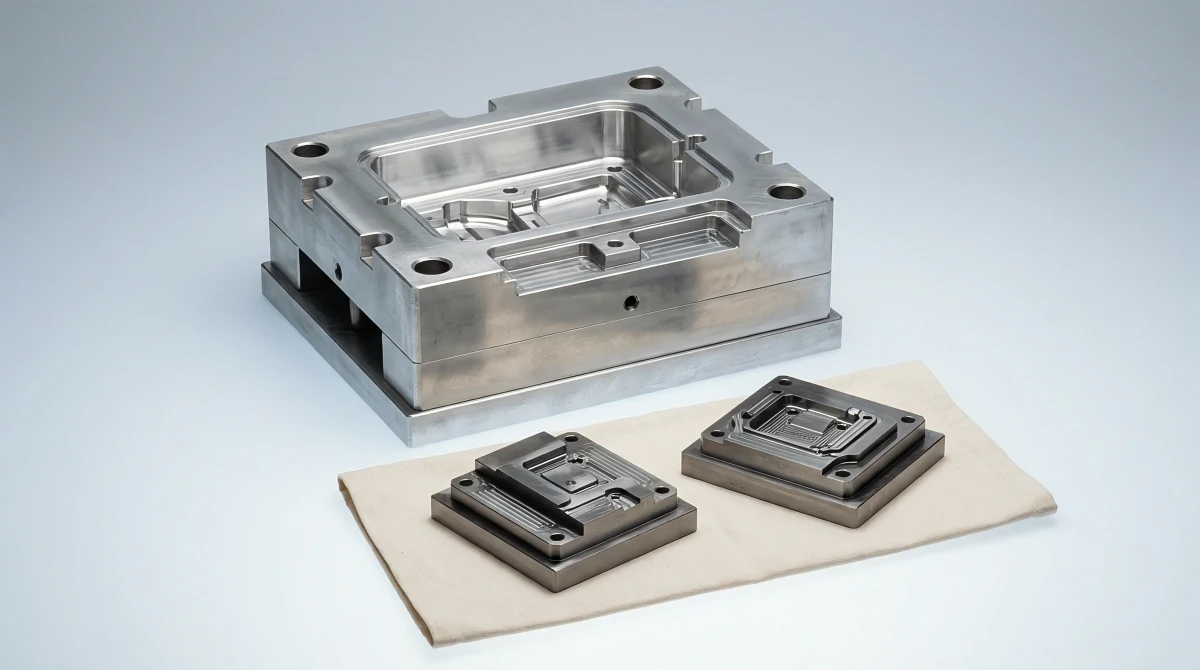
Mold Maintenance and Spare Inserts Across a Bridge Injection Molding Run

How a bridge mold is cleaned, inspected and fitted with inserts across a run, so that wear is recorded, predicted and met with spares instead of stoppages.

What a Bridge Mold Needs Between LotsThe aluminum maintenance column is plain on the first rule: an aluminum mold is taken apart and cleaned thoroughly after every run of parts, and cleaned again before storage, however short the run. It can often run five to seven days before it needs cleaning, the author notes, though some resins and some molds with actions need it after two to three days.

Color Matching Molded Parts With Masterbatch in a Production Run

How masterbatch color is matched, dosed, distributed and measured so that every lot of a molded part matches the standard agreed at the first article.

How Masterbatch Color Is Held Across a RunThree things have to stay constant for color to hold. The masterbatch has to be the same formulation at the same let-down ratio, the melt has to distribute it evenly, and the part has to be measured the same way each time.

Cycle Time and Parts per Hour in a Bridge Injection Molding Run

A cycle is the sum of fill, hold, cooling and press motions, and a supplier's number is only as good as the pack and cooling times behind it.

What Sets Cycle Time and Parts per HourA molding cycle is a loop of seven moves: the mold closes, the cavity fills, the pack and hold phase runs, the part cools, the mold opens, the part is ejected, and the screw recovers for the next shot. Recovery runs while the part cools, which is why DuPont's nylon guide asks for screw speeds adjusted so that screw retraction time is shorter than the cooling phase.

Request an Injection Molding Quote

Send the 2D drawing and the 3D file, with the quantity and the stage of the project. An engineer replies within 1 working day.

The quote form, the mutual NDA and the private folder for your files are on Protolis Atelier, with Injection Molding chosen.

Request a Quote