Color

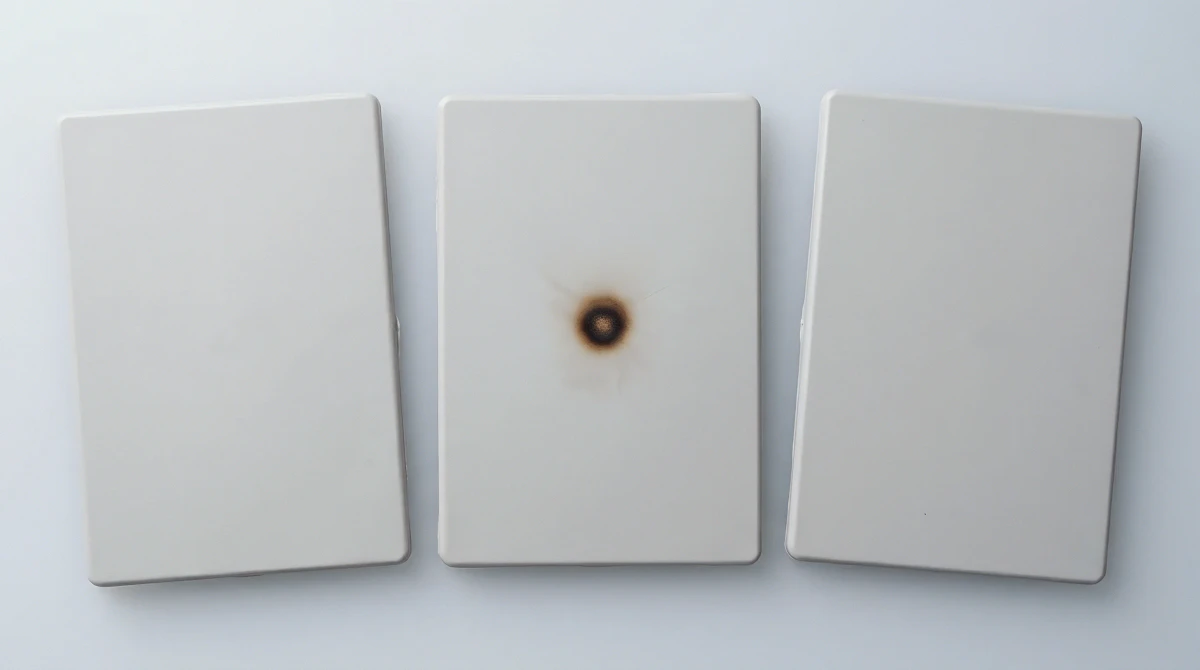
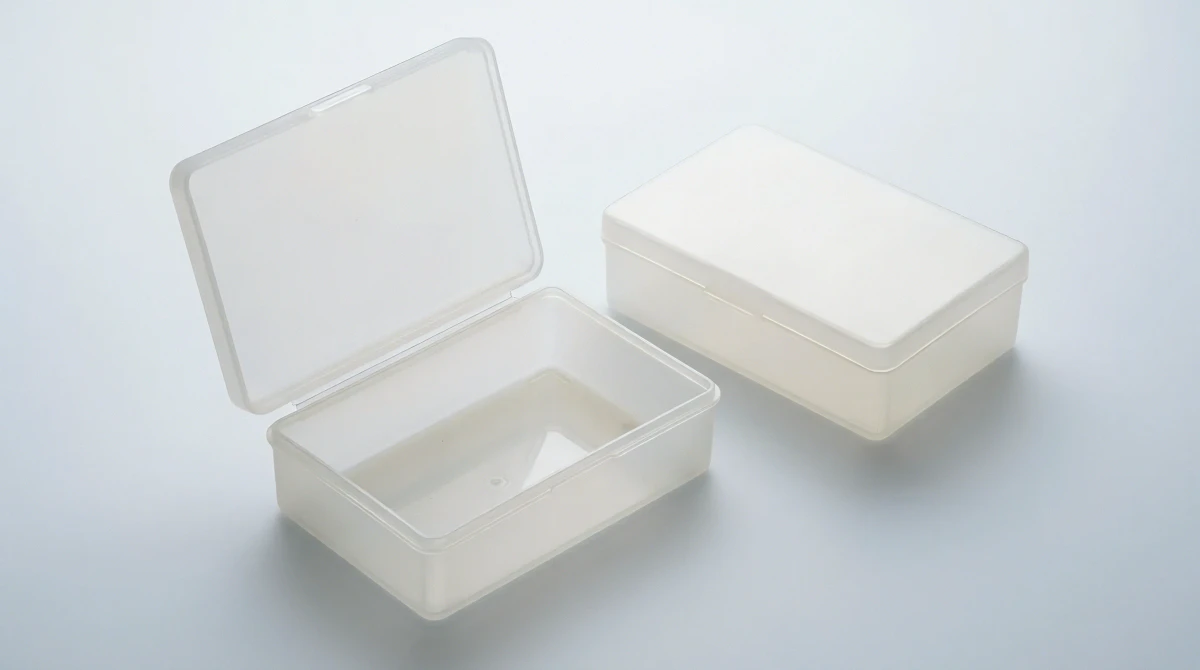
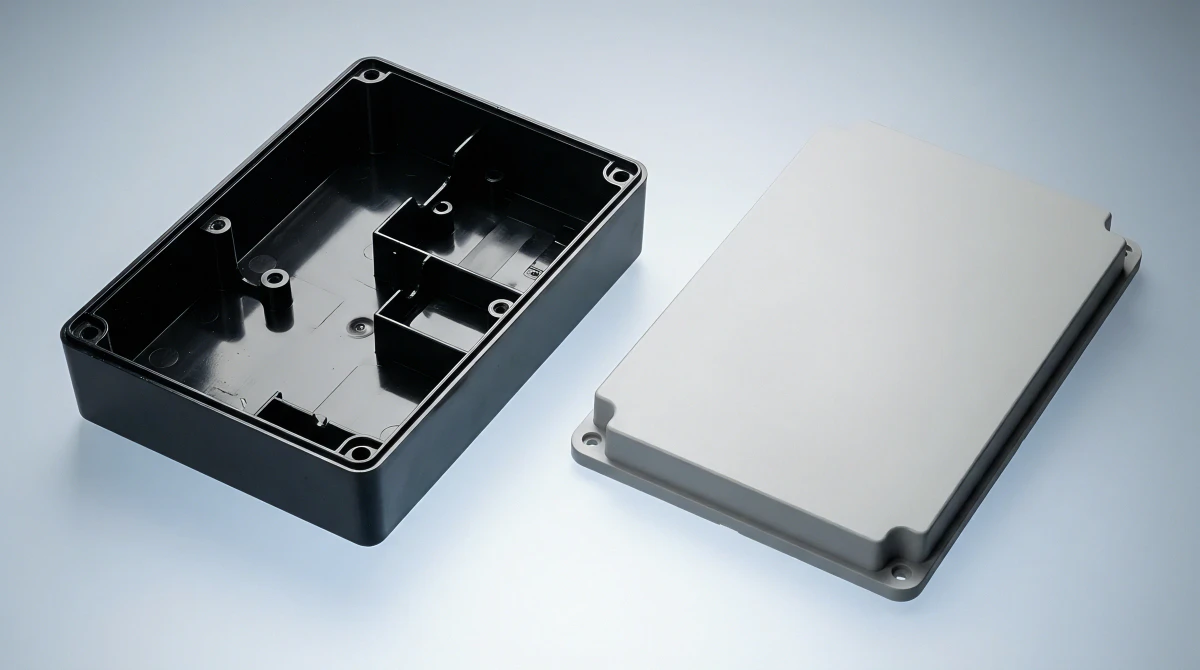
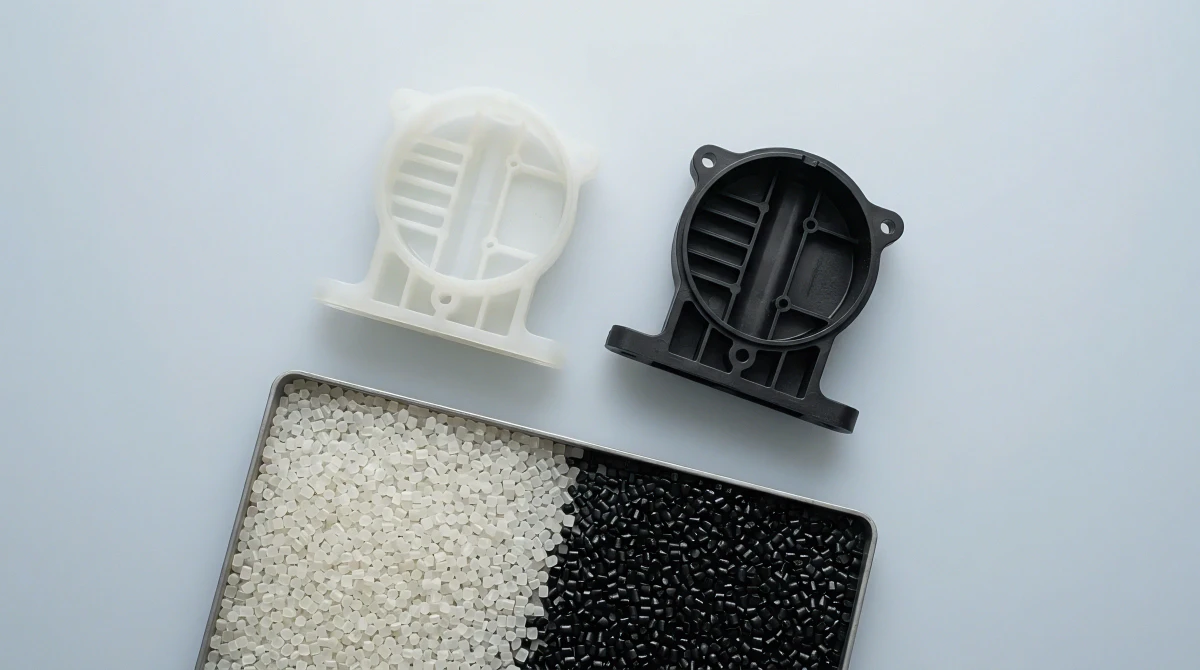
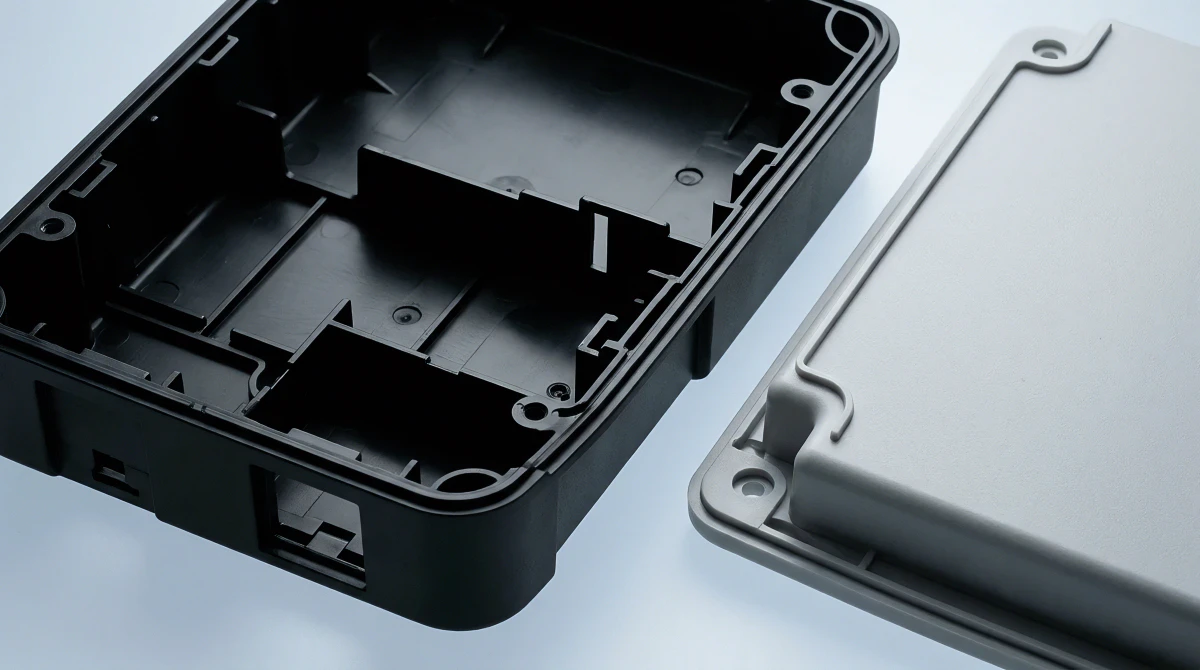
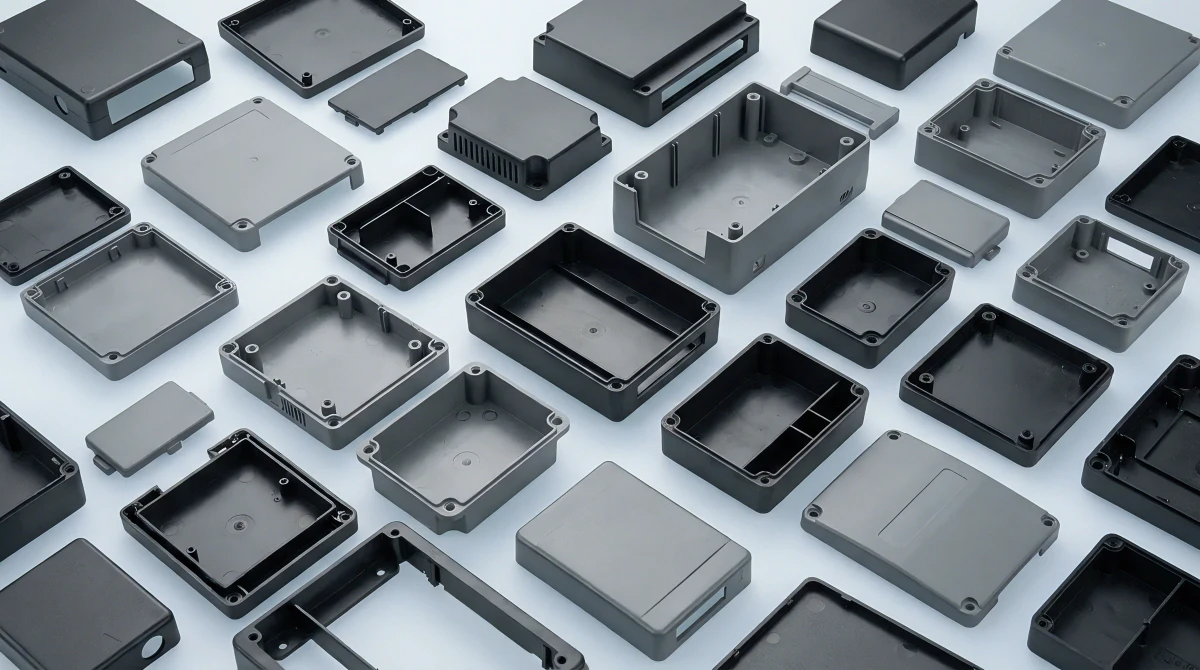
Color in a molded part comes from pigments or a masterbatch added to the resin, and it can change melt, shrinkage and flame listing.

Every Color article of the Injection Molding Resources, newest first, each written from published standards, research and makers’ data.

Meaning

Color in a molded part comes from pigments or a masterbatch added to the resin, and it can change melt, shrinkage and flame listing. The Zytel glass nylon sheet, for example, describes the natural grade. A colored part is therefore a slightly different material. The color is named on the order with the grade.

Melt Stability

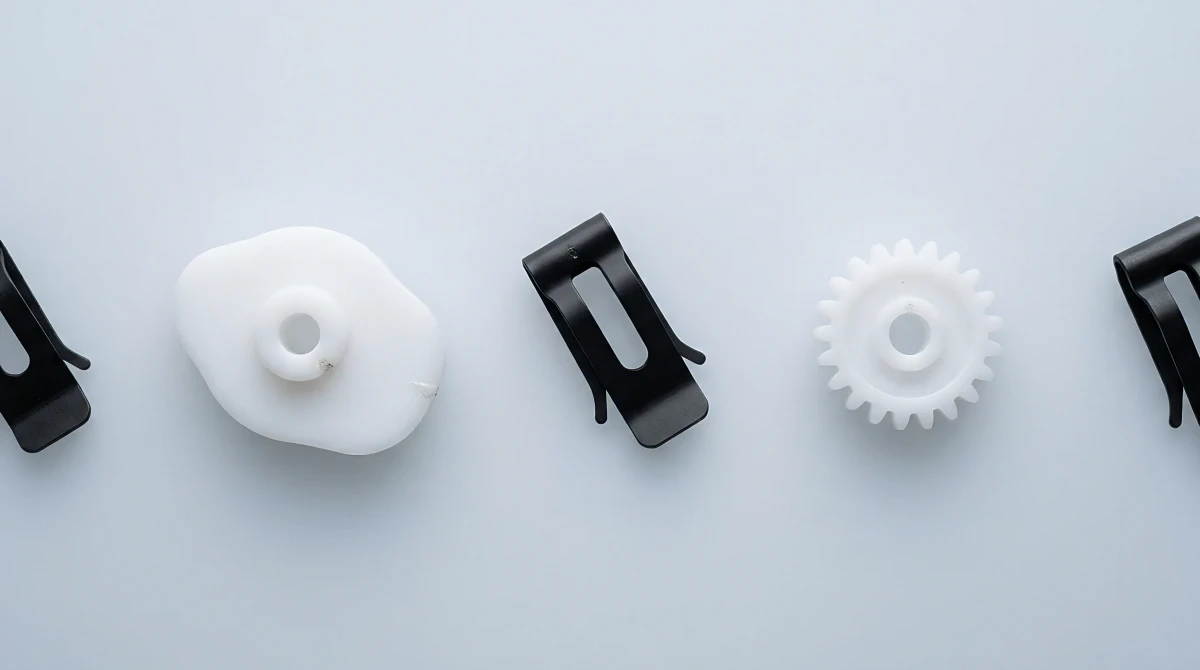
DuPont names some masterbatch pigments and additives that degrade Delrin acetal in the melt. A melt that foams leaves deposit on the mold and the screw quickly. That deposit later shows up as black specks. DuPont’s foaming test, a molten purge dropped in water, judges a colorant before the order. Sound melt sinks, and degraded melt carries bubbles and floats. The color grade and its masterbatch are agreed with the resin maker before the order, not on the day of the first shot.
Read More

Color Change

A color change takes many shots. A skin of melt clings to the inside wall of the nozzle or hot runner and does not move. The old color drags out slowly from that skin. Purging between resins uses polystyrene, cast acrylic or high density polyethylene, finished with air shots.

Flame Listing

A UL 94 rating belongs to a grade, a thickness and a color. The buyer asks the resin maker whether the listing covers the pigment in question. Pigment can be a variable in a listing.

Dimensions

Color also bears on size. DuPont’s nylon guide notes that pigments influence shrinkage in semi-crystalline nylons. A black or colored part may not shrink as the natural bar did. A change of resin grade, color or process settings after sign-off reopens the dimensions it affects.
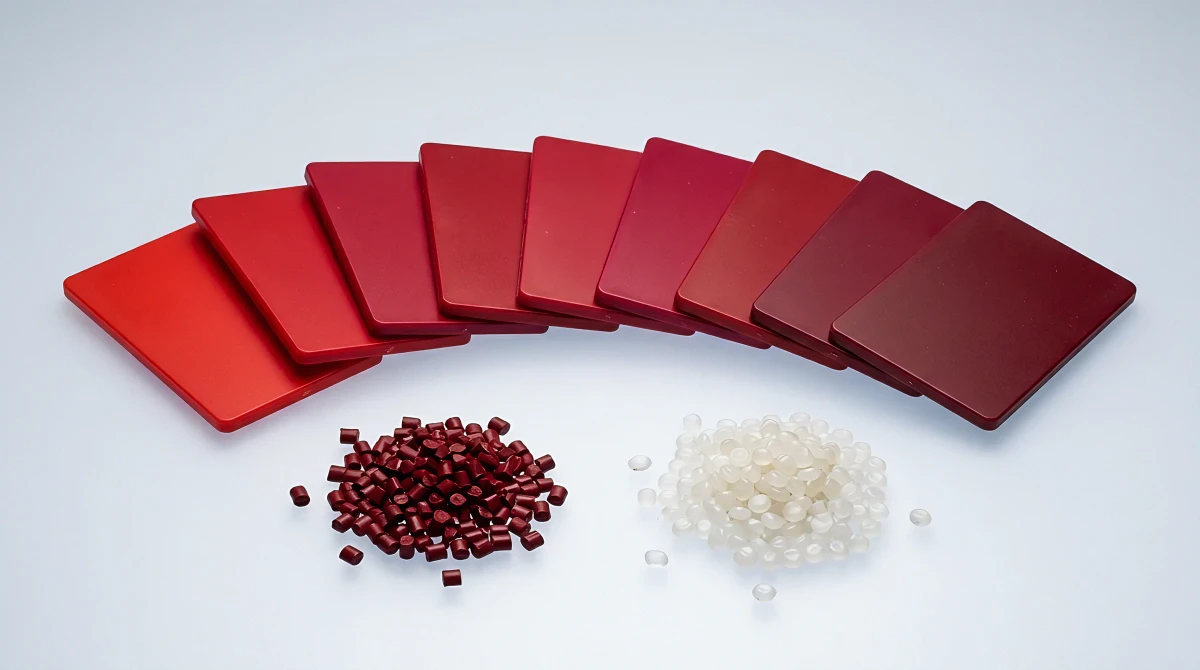
Color Matching Molded Parts With Masterbatch in a Production Run

How masterbatch color is matched, dosed, distributed and measured so that every lot of a molded part matches the standard agreed at the first article.

How Masterbatch Color Is Held Across a RunThree things have to stay constant for color to hold. The masterbatch has to be the same formulation at the same let-down ratio, the melt has to distribute it evenly, and the part has to be measured the same way each time.

IEC 60695-2-12 Glow Wire Flammability Index for Molded Parts

The glow wire flammability index read for a buyer: what IEC 60695-2-12 measures, how makers print it by thickness, and what a molded part's file can carry from it.

What IEC 60695-2-12 MeasuresThe scope, printed on the IEC webstore and in the 2021 preview, is short. The standard specifies the details of the glow wire test applied to specimens of solid electrical insulating materials, or other solid materials, to determine the glow wire flammability index, GWFI.

Polypropylene for Living Hinges in Injection Molding

Polypropylene for living hinges read from design guides and molding columns: grade choice, hinge dimensions, gating across the web, cooling and the tests that prove a hinge.

Why Polypropylene Makes a Living HingeThe MIT design note explains the mechanism. When a partly oriented polypropylene web is cold drawn on its first flex, it stretches by ratios of 2 or 3 to 1, and its tensile strength rises sharply.

ABS and PC/ABS Blends in Injection Molding

ABS and PC/ABS read from the makers' datasheets: drying, processing windows, shrinkage, snap-fit strain, impact and when the blend earns its stricter dryer.

How ABS and PC/ABS Differ in Injection MoldingABS is a terpolymer, and Moldflow's material page describes its structure: a continuous phase of styrene-acrylonitrile with a dispersed phase of polybutadiene rubber. Acrylonitrile brings hardness and chemical and heat resistance, styrene brings processability, gloss and strength, and butadiene brings toughness and impact strength.

Drying Resin and Setting Melt Temperature Before the First Injection Molded Part

Pellets are dried to a measured moisture limit, held there to the hopper, and melted inside a window that the resin maker prints.

What Dry Resin and a Correct Melt Temperature ProtectWater in a nylon melt is not a surface problem. DuPont explains that water carried into the melt triggers hydrolysis, which breaks the polymer down, costs toughness and strength, and makes the melt flow more easily.

UL 94 Flammability Ratings Explained for Molded Plastic Parts

The UL 94 classes read as a buyer needs them: what each test does, how three common resin sheets print a rating, and what a supplier should show.

What UL 94 Measures and What It Is NotUL 94 is a family of small-scale flame tests on strips and plaques of plastic, run under laboratory conditions. UL's own page on combustion tests for plastics groups the classifications into twelve: HB, V-0, V-1 and V-2, 5VA and 5VB, VTM-0, VTM-1 and VTM-2, and HF-1, HF-2 and HBF for foams.

ISO 20457 Tolerances for Plastic Molded Parts Read for the Buyer

How ISO 20457 is worded for plastic molded parts, what a supplier signs when a drawing cites it, and which items stay outside it for the order to settle.

What ISO 20457 Covers for Injection Molded PartsAccording to the abstract published by the Swedish Institute for Standards (SIS), ISO 20457 specifies possible manufacturing tolerances for plastic moulded parts, and it covers all integral features with general tolerances, using a surface profile tolerance within a specified datum system. It applies to injection moulding, injection compression moulding, transfer moulding, compression moulding and rotational moulding of non-porous parts in thermoplastics, thermoplastic elastomers and thermosets.

Acetal Homopolymer Injection Molding Properties and Gate Rules

Delrin 500P read from the maker's sheet and molding tips: why acetal shrinks and needs a packed gate, how hot the melt may run, and what to check on an aluminum tool.

Delrin 500P Properties in Metric and Inch UnitsDelrin 500P NC010 is a medium-viscosity acetal homopolymer, and Delrin prints its ISO values as the reference beside 500CPE on its own product data sheet. The grade has a melt mass-flow rate of 15 g/10 min at 190 °C and 2.16 kg under ISO 1133.

Request an Injection Molding Quote

Send the 2D drawing and the 3D file, with the quantity and the stage of the project. An engineer replies within 1 working day.

The quote form, the mutual NDA and the private folder for your files are on Protolis Atelier, with Injection Molding chosen.

Request a Quote