Meaning
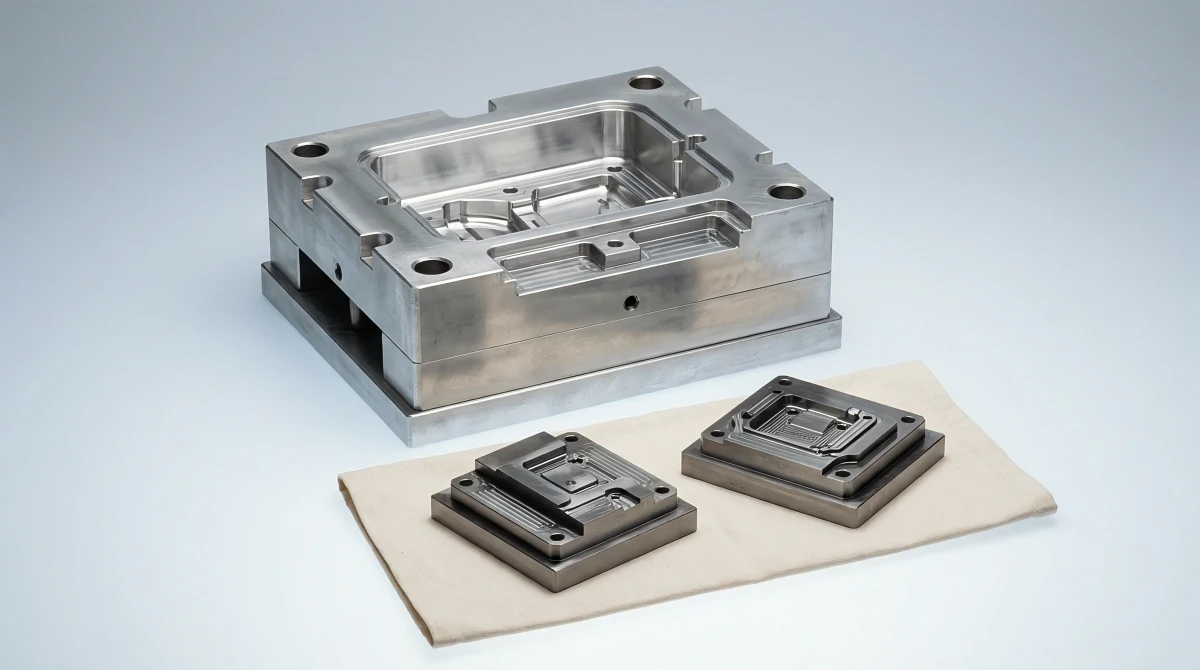
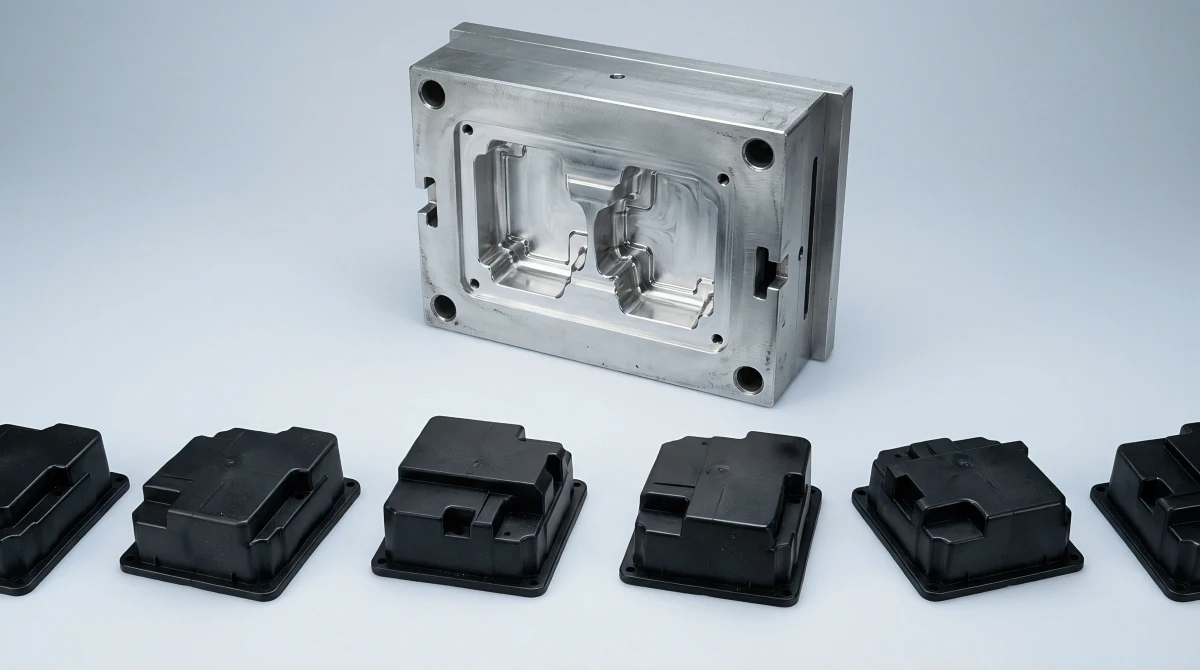
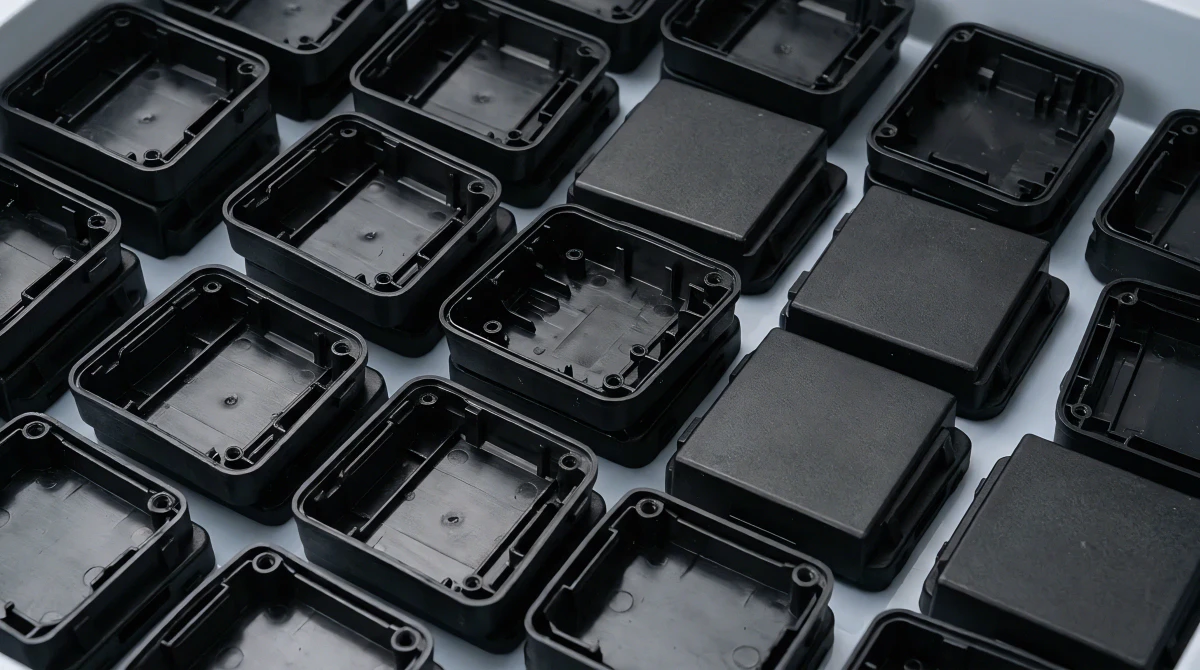
A lot is a quantity of molded parts made under one set of conditions and accepted or rejected as a unit. ISO 2859-1 wants each lot to hold one type, grade and size, made under uniform conditions around the same time. For a molded part that means one tool, one resin lot, one setup and one run. A lot that blends two setups blends two populations.Sampling
A sample is drawn from the lot and inspected against agreed characteristics. The lot is accepted or not by a rule written before the sample is drawn. Simple random sampling is the default. A multi-cavity tool calls for a stratified sample, with each cavity represented in proportion.Read More
Bridge Run Lots
A bridge run is rarely molded in one stretch. Lots are spaced to deliveries, and the tool rests between them. Each restart spends setup shots, a drying check and a purge. The effective hours are therefore higher than the cycle arithmetic, and the rated life of the tool covers those shots too.Disposition
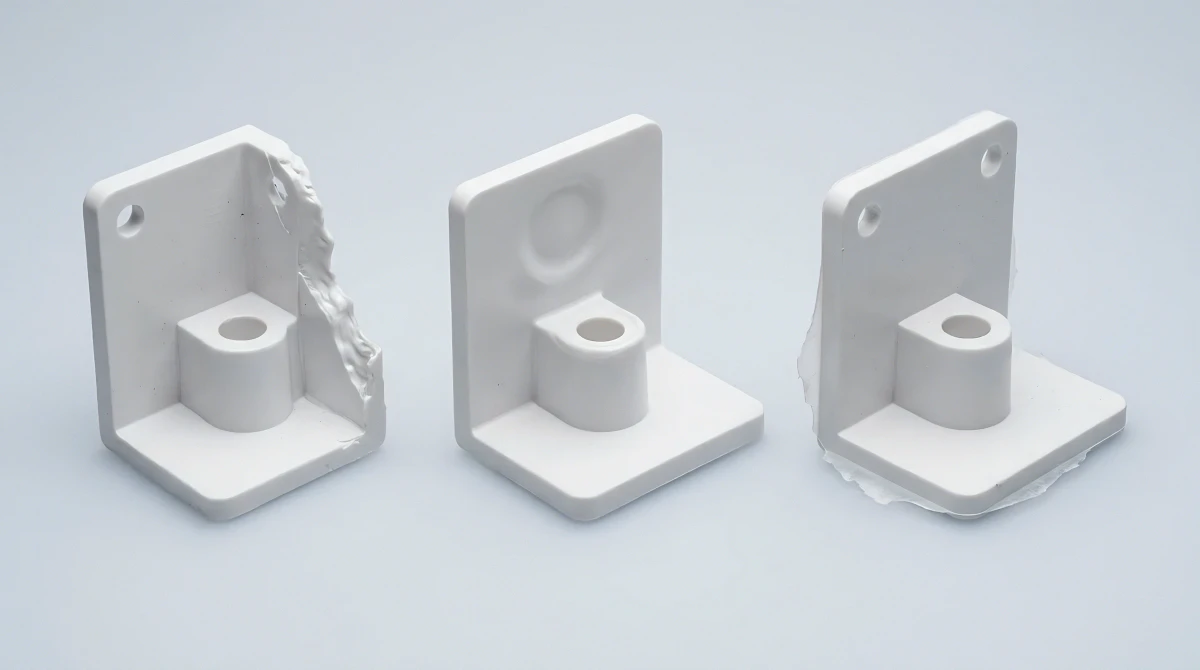
When a lot is not accepted, ISO 2859-1 leaves the disposition to the authority named in the contract. Scrap, sorting, rework, a second look against narrower criteria or a hold are the options. These steps are written into the order before they are needed.Lot Records
The records that close a lot are short. They give the lot identity, the tool and cavity map, the resin lot and the drying record. They add the settings sheet, the sample size and result for each class, and any disposition. For a flame-rated part, the resin lot and the datasheet revision go on the first-article report.Trend Across Lots
A dimension that moves one way across lots shows a wearing tool before a lot fails. So does a part weight that leaves its plateau or a failure rate that climbs lot by lot.