Hold Time

Hold time is how long the screw keeps hold pressure on the melt after the cavity fills, ending when the gate freezes.

Every Hold Time article of the Injection Molding Resources, newest first, each written from published standards, research and makers’ data.

Meaning

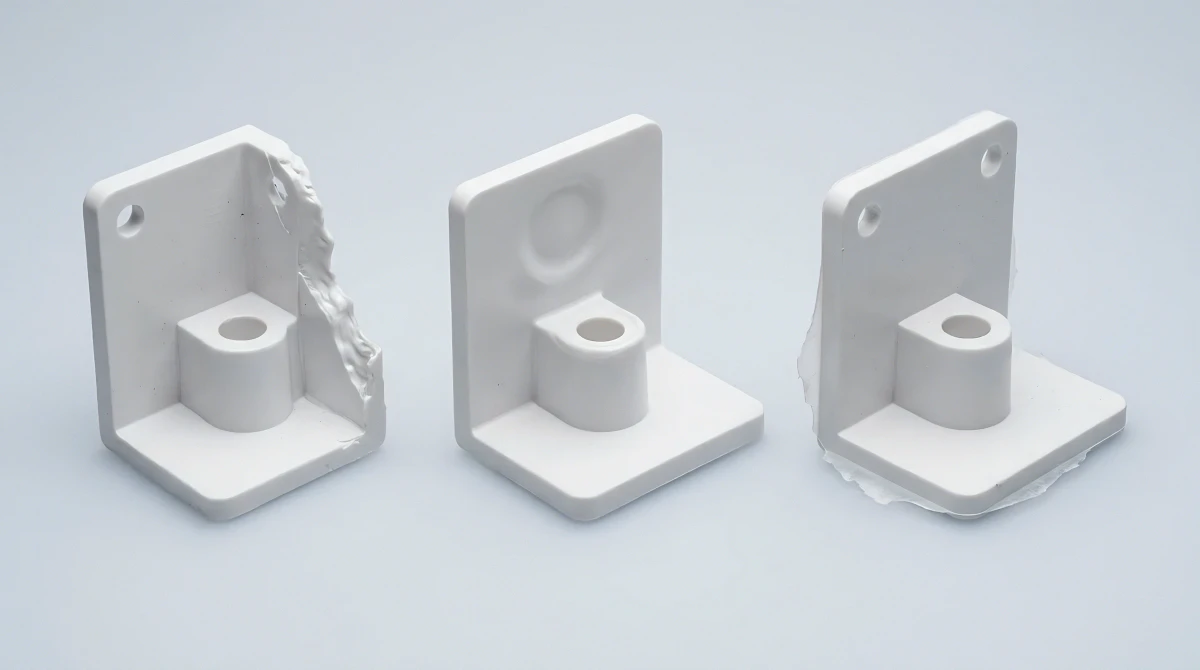
Hold time is how long the screw keeps hold pressure on the melt after the cavity fills, ending when the gate freezes. It is found by weighing parts, not read off a sheet. Too short and the part is light and shrinks more. Too long and the extra seconds add cycle time without adding plastic.

Method

DuPont’s nylon guide molds parts at hold times 0.5 to 1.0 seconds apart, with the total cycle held constant. Runner and sprue are removed and each part is weighed. The correct hold time is the first one that gives the maximum weight. Shrinkage reaches its minimum at that same hold time. The gate has to be adequate, freezing as the part finishes crystallizing and not before.
Read More

Sheet Figures

Datasheets print a starting hold time per millimeter of wall, which the weight study then replaces. DuPont’s own acetal test part found its optimum at 15 seconds of packing.

Effect on Cycle

Extra hold after the gate has frozen adds seconds without adding quality. A cycle quote that gives hold time without the weights behind it has skipped the measurement that makes the number repeatable. A buyer asks for the pack and cooling times behind a cycle, so the total can be checked against a weight study.

Tool Effect

An aluminum gate loses heat faster than one in steel and can freeze sooner. A weight study done on another tool does not transfer. When the cavity material or the cooling circuit changes, the study is repeated.

Wear Signal

During a run, weight that drifts at a hold time that used to reach the plateau points to a changed gate, shut-off or check ring. In a lot record the hold time and the part weight at that time sit side by side.

Short Shot, Sink and Flash in Injection Molding Traced to Their Cause

Short shots, sinks and flash traced to the melt volume, pressure and steel behind them, with the checks that find the cause before a setting is moved.

What Short Shots, Sink and Flash Have in CommonA short shot is a part the cavity never finished. BASF's troubleshooting brochure for engineering thermoplastics describes it as a part not completely formed, mainly in the areas furthest from the gate or in thin walls.
Gate Location and Gate Freeze in Injection Molding

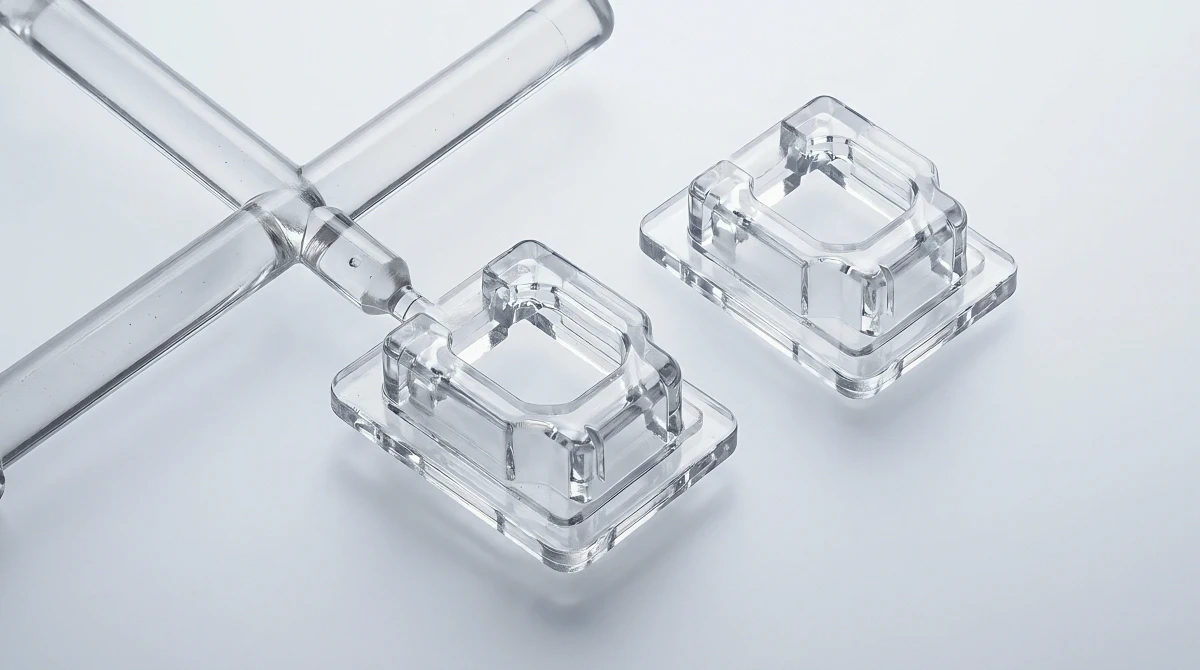
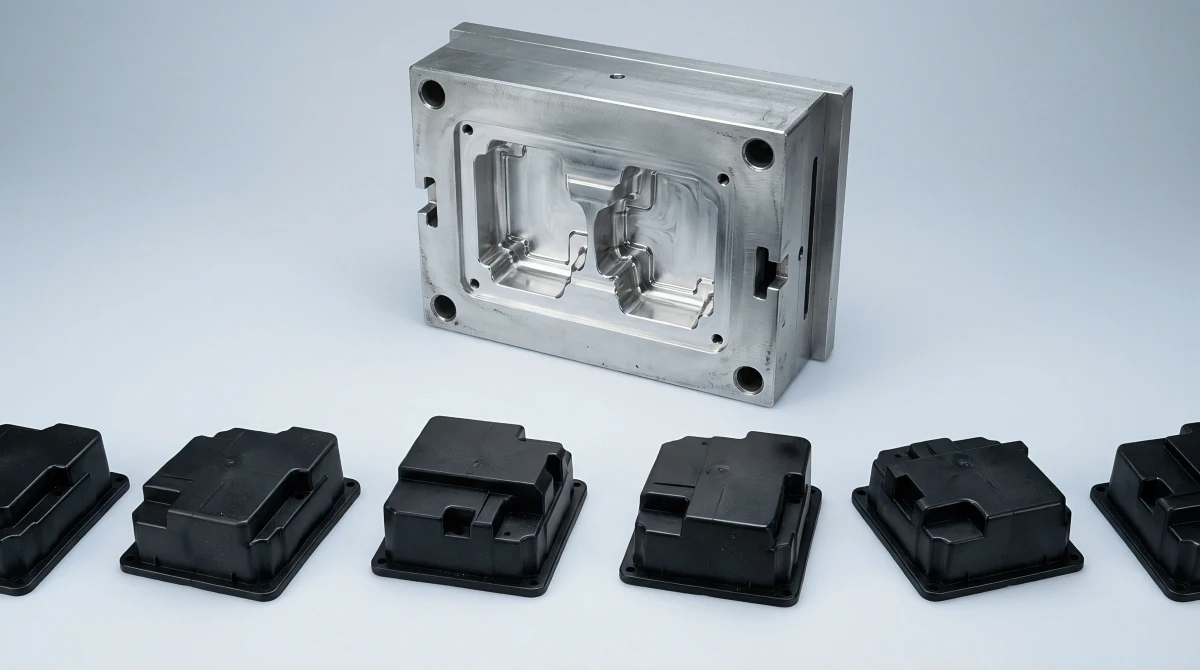
Where a gate goes, how big it is and how long it stays open, with the weight study that sets hold time from the gate itself.

How Gate Location and Gate Freeze Shape a Molded PartAutodesk's Moldflow design rules open with the claim that gate position strongly affects material orientation and warpage, and that changing the gate is sometimes the only way to control orientation. Every gate injects under the same pressure, and the aim of gating is to avoid overpacking some paths while others are still filling, because unequal packing gives unequal shrinkage.

How Many Parts One Aluminum Injection Mold Gives

A mold's life is a toolmaker's rating for a stated resin and cavity count, converted into parts per tool and then into tools per quantity.

What Sets the Number of Parts One Aluminum Mold GivesThree things set it, and they act together. One is the alloy and where in the plate the cavity sits.

Cycle Time and Parts per Hour in a Bridge Injection Molding Run

A cycle is the sum of fill, hold, cooling and press motions, and a supplier's number is only as good as the pack and cooling times behind it.

What Sets Cycle Time and Parts per HourA molding cycle is a loop of seven moves: the mold closes, the cavity fills, the pack and hold phase runs, the part cools, the mold opens, the part is ejected, and the screw recovers for the next shot. Recovery runs while the part cools, which is why DuPont's nylon guide asks for screw speeds adjusted so that screw retraction time is shorter than the cooling phase.

Injection Molding Shrinkage Along and Across the Flow by Material

Molding shrinkage read by direction and condition for three resins, with the process settings that move it and the way a first sample turns it into a cavity allowance.

Shrinkage of Polycarbonate, Glass-Filled Nylon 66 and Acetal Along and Across the FlowISO 294-4:2018 sets out the method for measuring mold shrinkage and post-mold shrinkage of injection molded thermoplastic test specimens, parallel and normal to the direction of melt flow. Resin makers print the result in two lines, one per direction.

Request an Injection Molding Quote

Send the 2D drawing and the 3D file, with the quantity and the stage of the project. An engineer replies within 1 working day.

The quote form, the mutual NDA and the private folder for your files are on Protolis Atelier, with Injection Molding chosen.

Request a Quote