Meaning
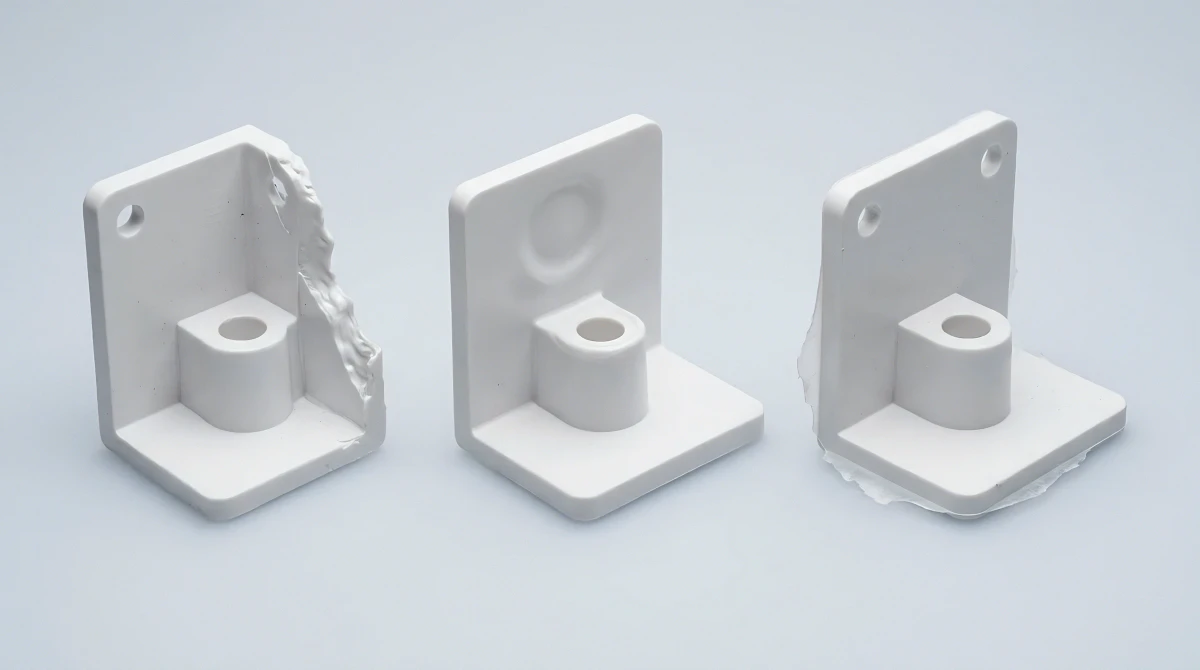
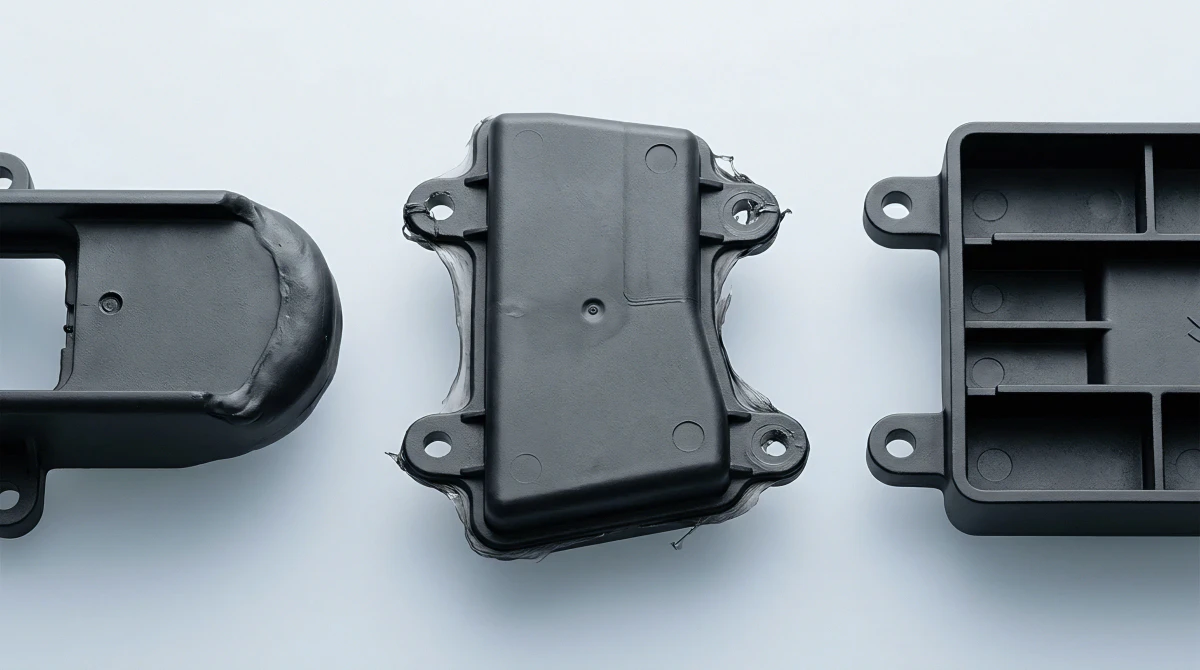
The gate is the opening through which melt leaves the runner and enters the cavity. Its size and position decide how a molded part fills and packs. Everything that reaches the part during the hold phase passes through it. When the plastic in the gate freezes, the part is sealed and no more melt can enter. A gate that freezes too early leaves the part light, and a gate at one end sets the direction of the largest shrinkage.Size Rule
DuPont’s nylon guide sets gate thickness at 50 to 75 percent of the part thickness. The land stays under 1 mm (0.04 in), because a longer land freezes before the part is packed. For glass-reinforced nylon the guide asks for gates about 50 percent larger than for unreinforced grades, though not thicker. It also charts the maximum fill rate against round gate diameter for unreinforced nylon 66. The gate therefore limits fill speed as well as packing, and a speed too high for it overshears the melt.Read More
Gate Type
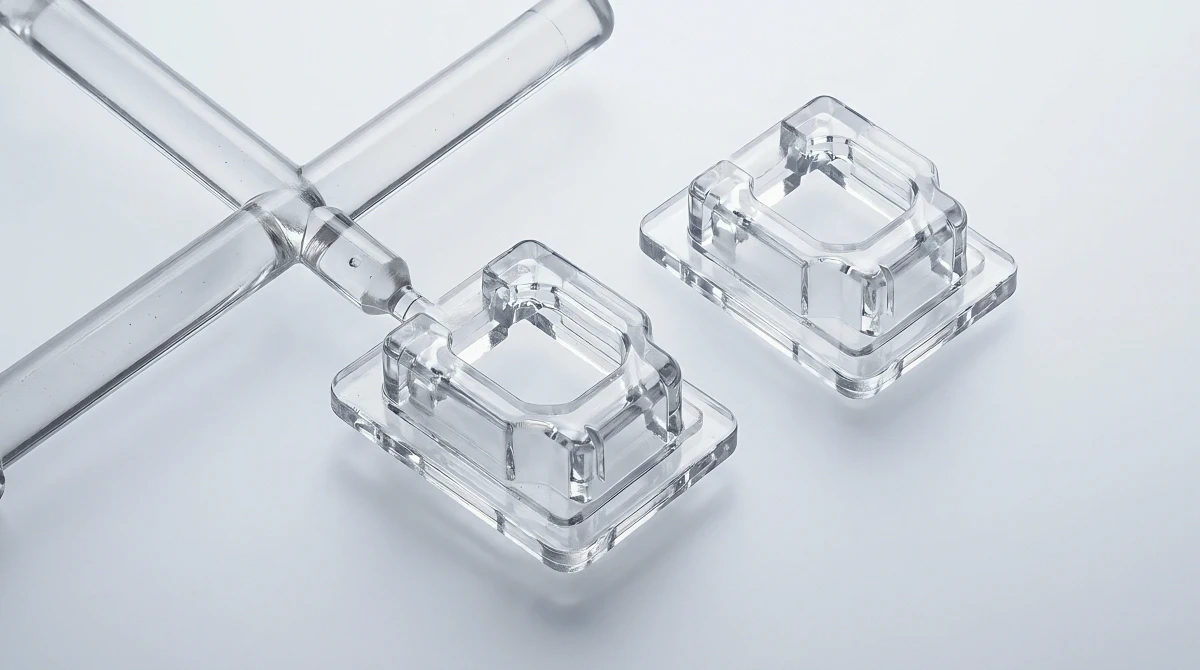
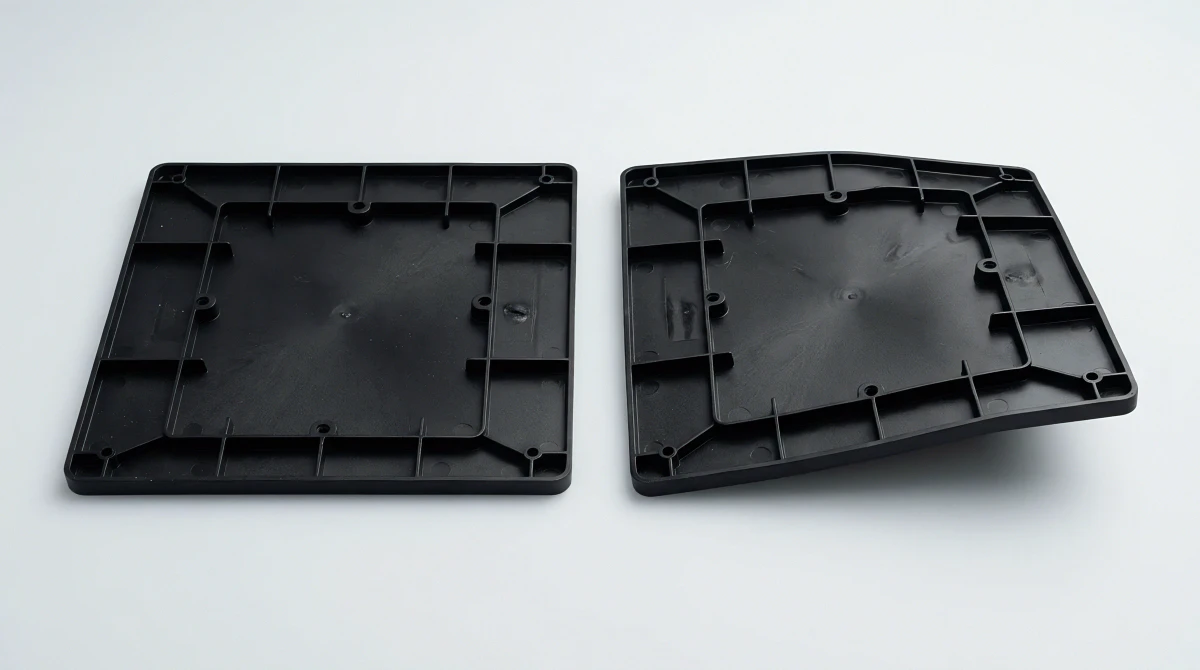
A conical gate suits amorphous resins, which fail by over-packing. A semi-crystalline resin such as acetal crystallizes in the narrow tip of a conical gate before packing ends. DuPont links that under-packing to a loss of up to 30 percent in mechanical performance, with warpage and uncontrolled shrinkage. Its Delrin tips answer with a tunnel gate placed in the thickest area of the part. The gate diameter is at least half the wall and the gate length stays under 0.8 mm (0.03 in). The tunnel next to the gate measures at least the wall plus 1 mm. On a 3 mm (0.12 in) wall that gives a gate of at least 1.5 mm and a 4 mm tunnel.Location
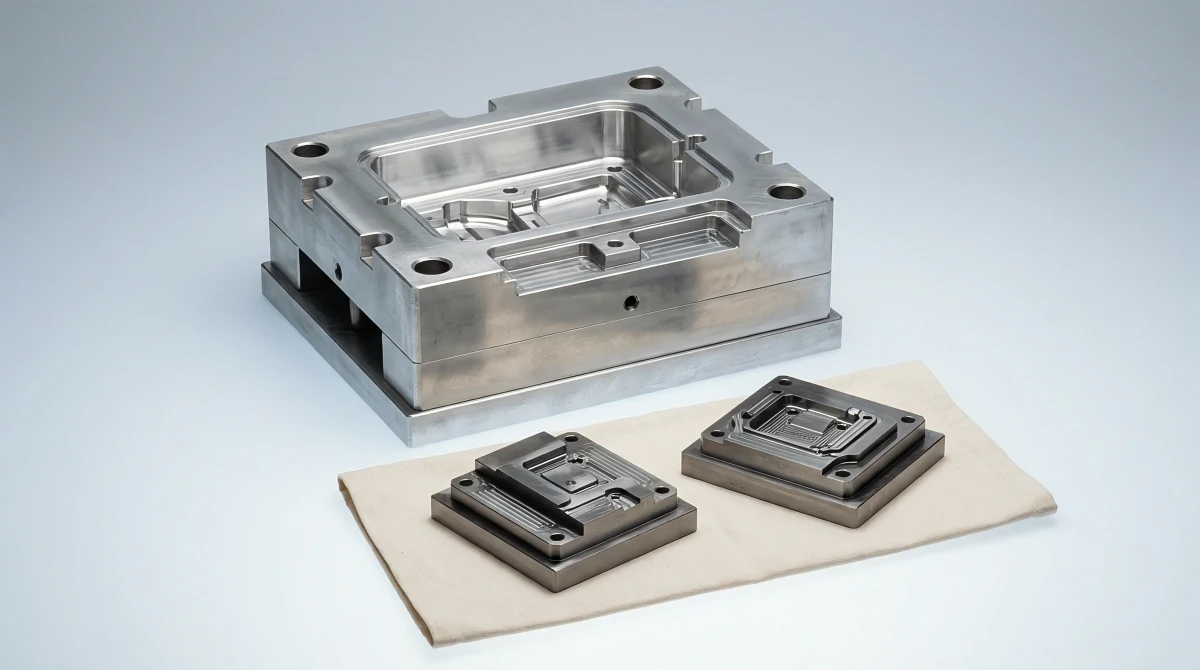
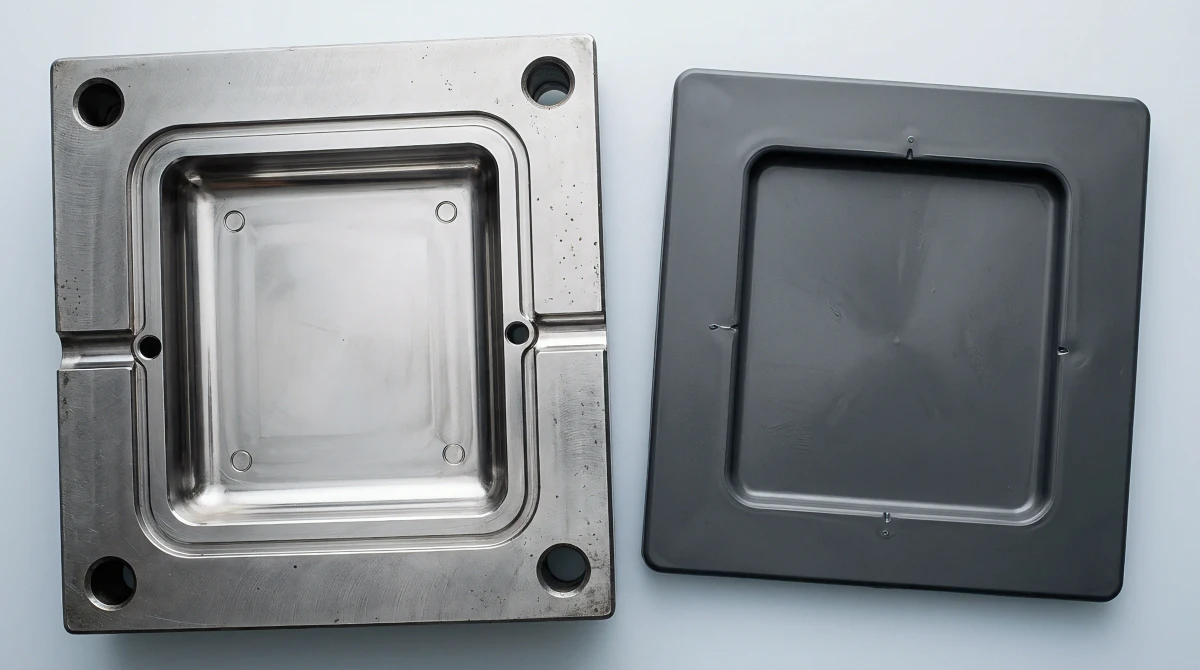
Gate position sets the flow direction, and in glass-filled nylon the flow direction sets the shrinkage. The Zytel 70G33HS1L sheet prints 0.30 percent along the flow and 1.1 percent across it. DuPont prefers center gating on round parts and full edge gating on thin rectangles under 1.5 mm (0.06 in). On long flow paths it places the gate so the melt strikes a core or a wall, which randomizes fiber orientation. Gate location is agreed before the tool steel is cut, together with the datum the part is measured from. A gate leaves a vestige, a small patch of surface where the melt entered and the gate was cut or broken off. No SPI finish grade covers it. A drawing that wants it off a cosmetic face says so through the gate location, not through the finish note.Freeze Point
The hold phase works only while the gate is open. DuPont’s aim for nylon is a gate that closes as the part finishes crystallizing, not before. A part weight study shows where that happens. A weight that never reaches a plateau means the gate freezes too soon, and the correction then sits at the gate, not at the machine.Wear and Tool Metal
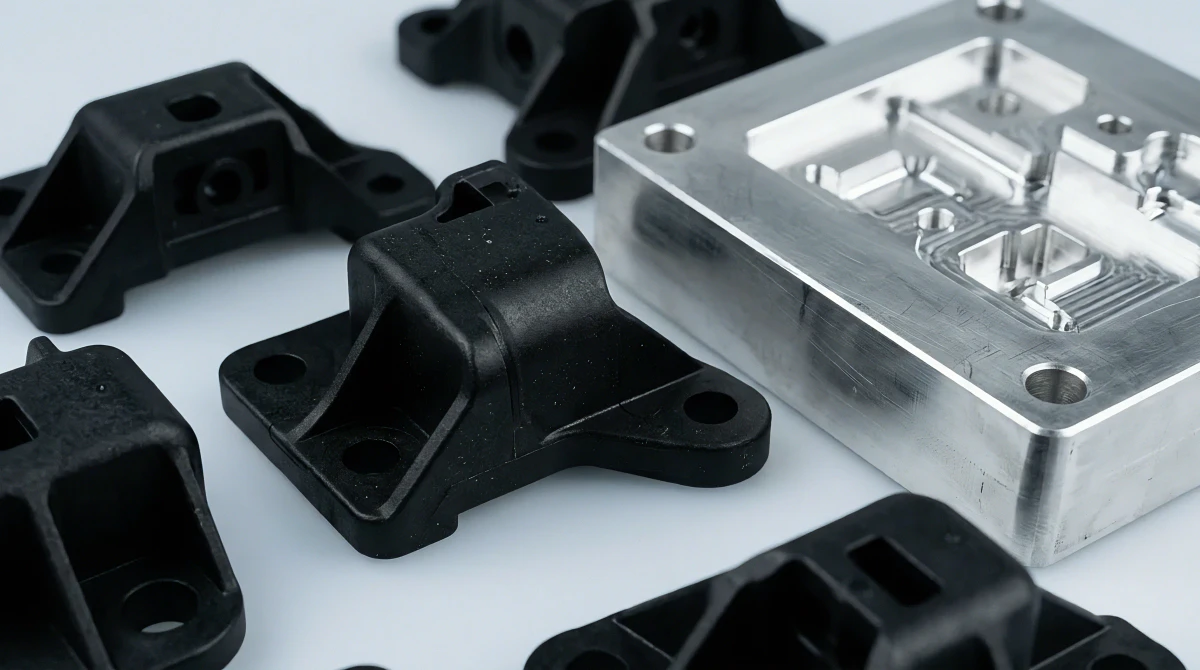
The gate and its approach see the highest flow rate and shear of any region of the cavity. Filled resins wear the shutoffs and the gate area first, according to a Plastics Technology article on aluminum tools. A gate that wears larger packs differently and moves the shrinkage. That change often shows in part weight before the cavity shows any visible damage. Gate dimensions are checked at each tool removal. Hardened steel gate inserts take the abrasion where a glass-filled resin runs in aluminum. Arconic rates aluminum’s conductivity at 4 to 5 times that of P-20 steel. The gate region of an aluminum tool therefore loses heat faster than in steel. A gate that stays open in a steel tool can freeze sooner in an aluminum one. A hold time found on one tool is repeated on the next. During a run, a drifting part weight points to a gate, a shut-off or a check ring that has changed.Correction Order
DuPont’s best-practice list starts with the gate design and the process conditions when a part misses its tolerance. The cavity is corrected only if the dimensions still miss after that. A process setting takes minutes, a gate change takes hours and a cavity correction takes the tool out of the press.