Meaning
Galling is wear caused by adhesion and friction when two metal surfaces slide against each other under load, tearing material from one and depositing it on the other. In molds it shows on ejector pins, guide bushings, sliding shut-offs and aluminum cavity surfaces, and it develops quickly once it starts.Where It Occurs
Jim Fattori’s Plastics Technology series on ejector pins describes metals prone to galling because of their structure: aluminum, titanium and, to some degree, stainless steel. Brass and bronze resist it although they are softer. A side load, such as an ejector pin not aligned with its hole, makes it worse, and high ejection and retraction speeds raise frictional heat.Read More
Aluminum Tools
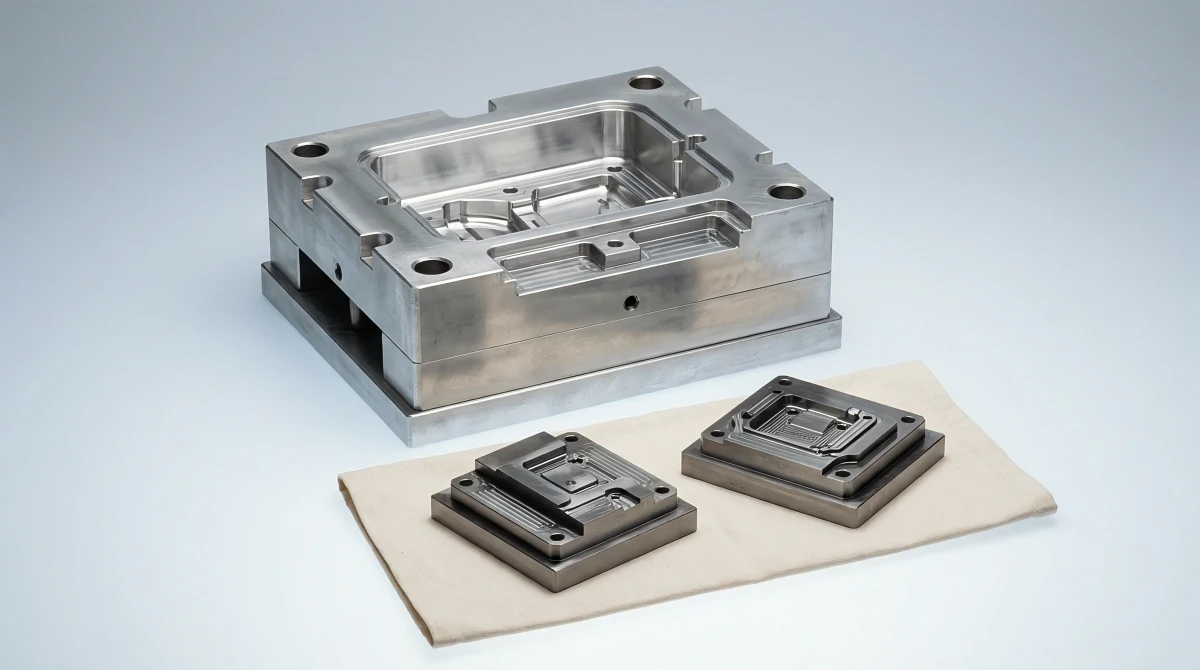
Excessive temperature and injection pressure damage an aluminum tool through detail shifting and galling, and the cavity surface that galls is copied by every part molded from it. The aluminum tooling column in Plastics Technology advises checking for wear and galling every time an aluminum mold leaves the press.Prevention
The ejector series gives several remedies. With the ejector plates fully forward, each unkeyed pin should rotate freely, which confirms alignment and clearance. Sliding or angled shut-off surfaces use different steels with at least a 10-point Rockwell difference in hardness. Nitrided H-13 pins or hard-coated pins, at 65 to 74 HRC on the surface, resist galling best, and lubrication lowers the friction coefficient by a factor of about four against a dry surface.Warning Signs
A pin that squeals will not improve with more cycles; the series advises stopping. Ejector force is limited to a little above its normal value and tied to an alarm on presses that allow it, so that a binding pin stops the cycle before it does further damage.