Tool Wear

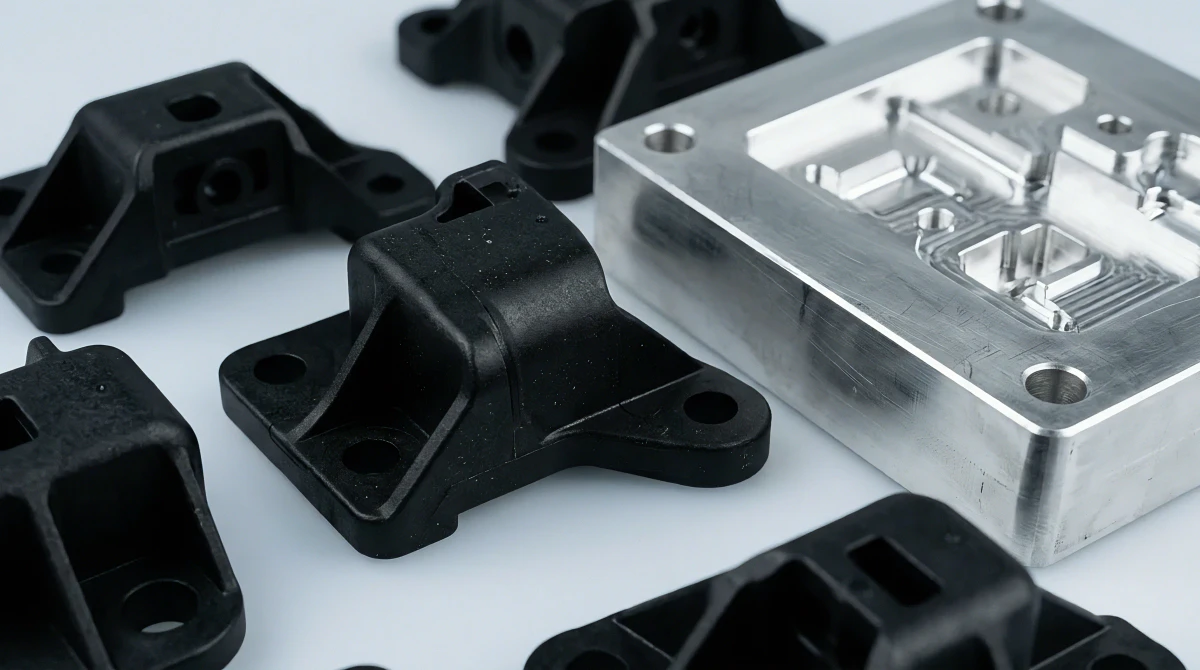
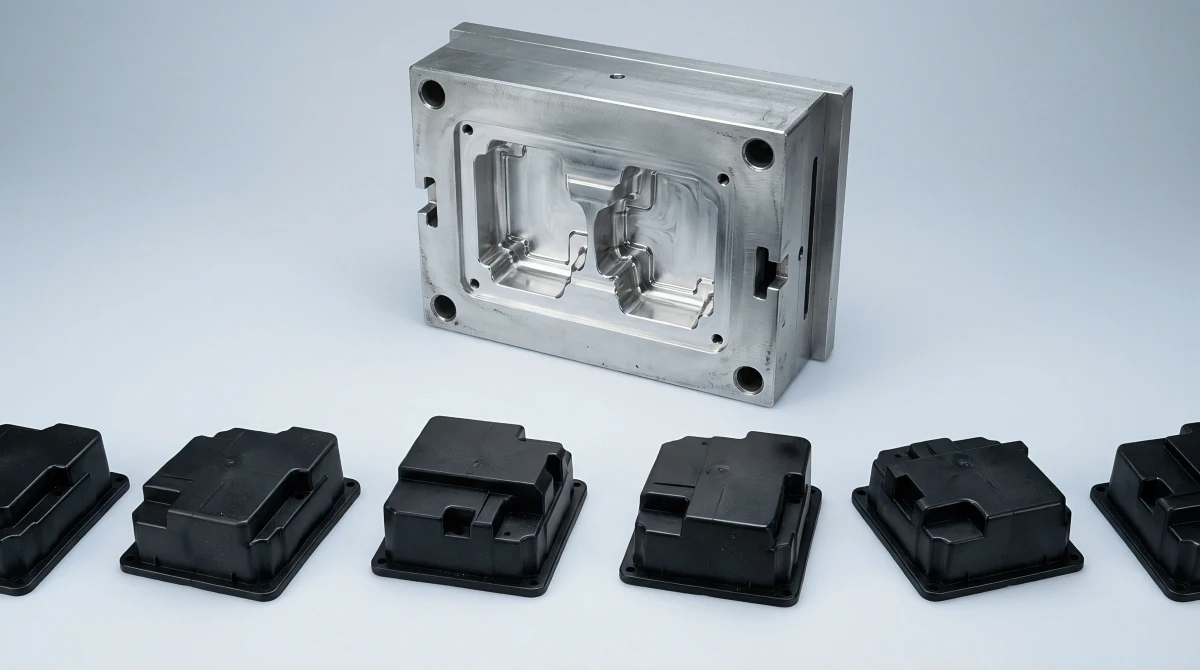
Tool wear is the loss of metal and finish from a mold's working faces with each shot, starting at gates, shutoffs and polish.

Every Tool Wear article of the Injection Molding Resources, newest first, each written from published standards, research and makers’ data.

Meaning

Tool wear is the loss of metal and finish from a mold’s working faces with each shot, starting at gates, shutoffs and polish. In an aluminum tool it decides the useful life. It shows in the parts before it shows as damage. No resin maker or trade source used here prints a shot count for glass-filled nylon on aluminum.

Wear Location

A Plastics Technology article on aluminum tools finds that filled resins attack the shutoffs and gate area first. The gate sees the highest flow rate and shear of any region of the cavity. Slide-by shutoffs with minimal draft are the first places to show it. Glass-filled flash is itself abrasive, and glass-filled resin also rubs the cores and pins it is stripped from. Hot runner contact points wear where steel parts press on aluminum.
Read More

Wear Signs

As the gate opens up with wear, packing and shrinkage shift. Part weight can drift before any cavity damage is visible. A changed gate vestige and flash at a shut-off often appear before a polished face shows wear. A polish on a tool also wears with every shot. A part at shot 5,000 can look different from a part at shot 5.

Control

The same article asks for a check for wear and galling every time the tool leaves the press. A nickel-boron coating of 5 to 8 µm (0.0002 to 0.0003 in) raises surface hardness to 50 to 56 HRC. It takes about three days to apply and can be stripped and recoated. Steel inserts take the high-wear areas, and inserting is preferred to welding, which can leave softer, pitted metal. The tool is taken apart and cleaned after every run.

Acetal Case

Acetal carries no glass, so abrasive wear on gates and shutoffs is not its first concern. Its gate land is at most 0.8 mm (0.03 in) long, and its wear changes packing before anything else. The land is checked at each cleaning against an agreed pressure limit.

Buyer Check

A buyer ordering glass nylon in a bridge tool asks whether the gate and shutoff areas are inserted or coated. The hold pressure the tool is rated for comes next. The last question is how gate and shutoff dimensions are checked at each cleaning.

How Many Parts One Aluminum Injection Mold Gives

A mold's life is a toolmaker's rating for a stated resin and cavity count, converted into parts per tool and then into tools per quantity.

What Sets the Number of Parts One Aluminum Mold GivesThree things set it, and they act together. One is the alloy and where in the plate the cavity sits.
How Tightly Acetal Parts Hold Dimension in Injection Molding

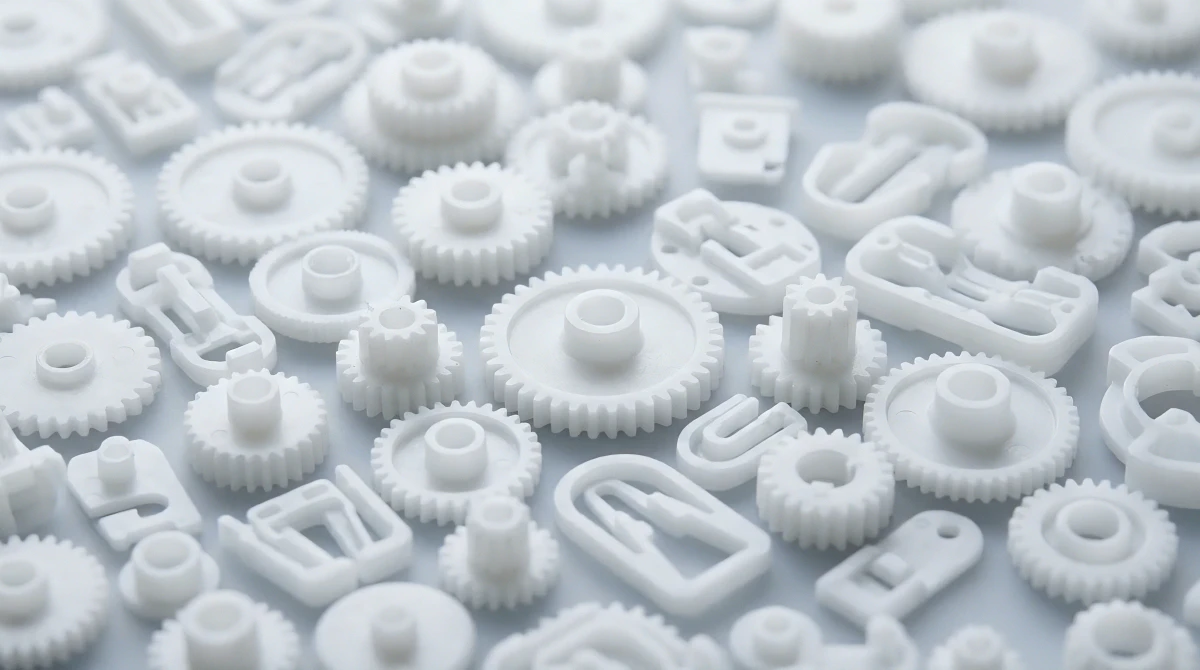
Acetal dimension spread measured on one part under four press settings, with the gate and cooling rules behind it and a tolerance budget for a 50 mm feature.

Outer Diameter Spread Under Four Packing and Cooling SettingsThe test part in DuPont's tips is a tribological sample used for wear and friction testing, a part whose outer diameter has to be as dimensionally precise as possible. DuPont molded it under four settings, measured the outer diameter and reported the mean with its variation.

SPI Mold Finish Grades A-1 to D-3 for Injection Molded Parts

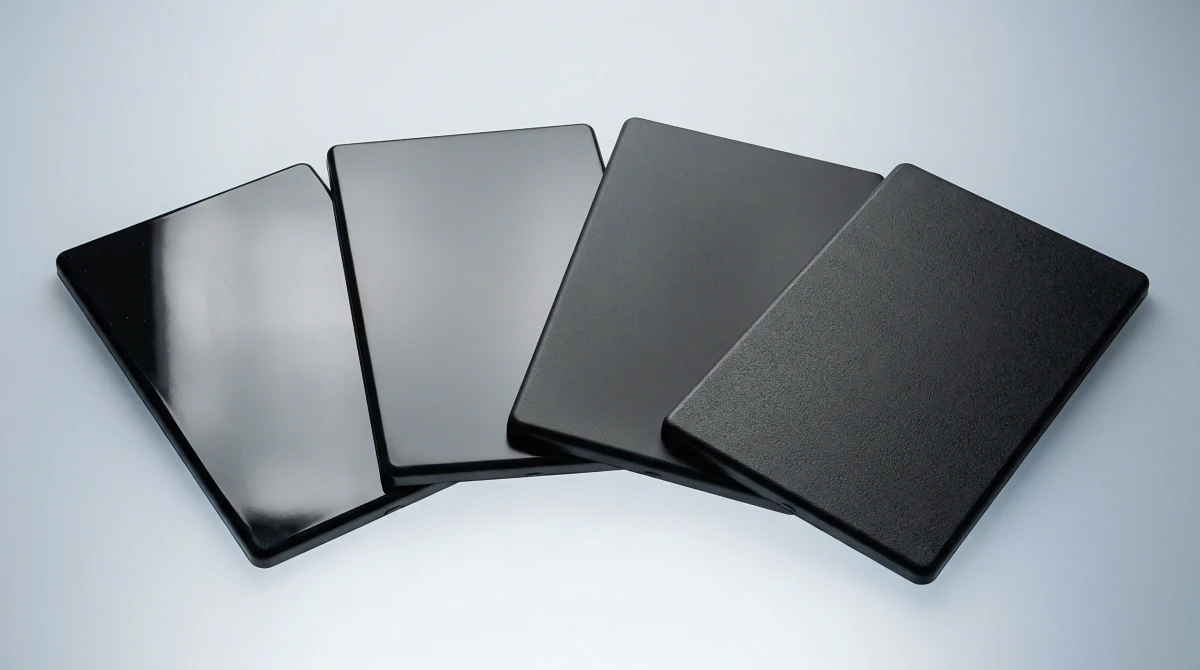
The SPI finish grades read for a buyer, with what each method gives, how texture costs draft, and how a finish is written and kept on an aluminum tool.

What the Twelve SPI Finish Grades SpecifyThe SPI system names a finish by a letter and a number. Its letter gives the finishing method, A for diamond buff, B for grit paper, C for stone and D for dry blast, while the number runs from 1, the finest within a letter, to 3, the coarsest.

Glass-Filled Nylon 66 in Injection Molding and What It Does to an Aluminum Tool

How a glass-reinforced nylon behaves dry and conditioned, in the press and on an aluminum tool, and what its datasheet leaves for the buyer to settle.

Properties of 30 Percent Glass-Filled Nylon 66 Dry and ConditionedPA66 with 30 percent glass is one of the most common reinforced engineering grades, and BASF's Ultramid A3WG6 LT BK, a laser-transparent black grade whose sheet is dated 09/2026, is a clear example of how the family reads. The sheet names the polymer PA66-GF30 and gives its typical values for uncolored product at 23 °C.

Request an Injection Molding Quote

Send the 2D drawing and the 3D file, with the quantity and the stage of the project. An engineer replies within 1 working day.

The quote form, the mutual NDA and the private folder for your files are on Protolis Atelier, with Injection Molding chosen.

Request a Quote