Production

Every Production article of the Injection Molding Resources, newest first, each written from published standards, research and makers’ data.

The Bridge Mold

A bridge injection molding run in numbers and routines: cycle time and parts per hour, how many parts one aluminum mold gives, how the mold is kept running between lots, how color holds from lot to lot, and how a molded lot is inspected. Counts and times, never a price.

Mold Maintenance and Spare Inserts Across a Bridge Injection Molding Run

How a bridge mold is cleaned, inspected and fitted with inserts across a run, so that wear is recorded, predicted and met with spares instead of stoppages.

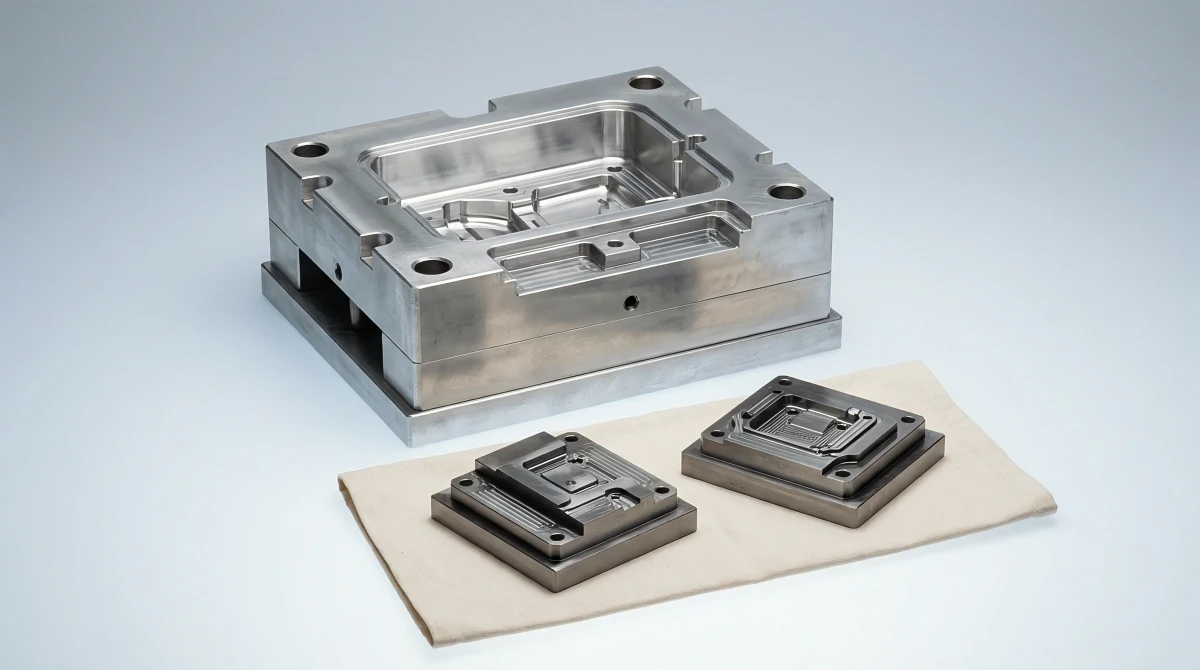
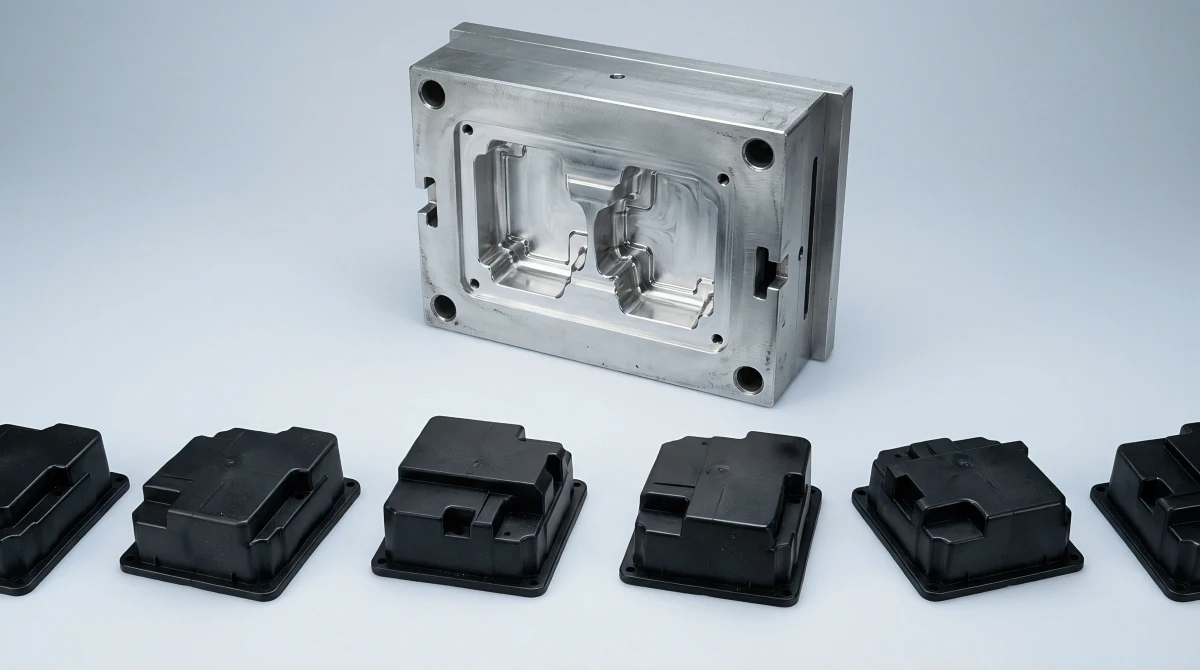
What a Bridge Mold Needs Between LotsThe aluminum maintenance column is plain on the first rule: an aluminum mold is taken apart and cleaned thoroughly after every run of parts, and cleaned again before storage, however short the run. It can often run five to seven days before it needs cleaning, the author notes, though some resins and some molds with actions need it after two to three days.
Color Matching Molded Parts With Masterbatch in a Production Run

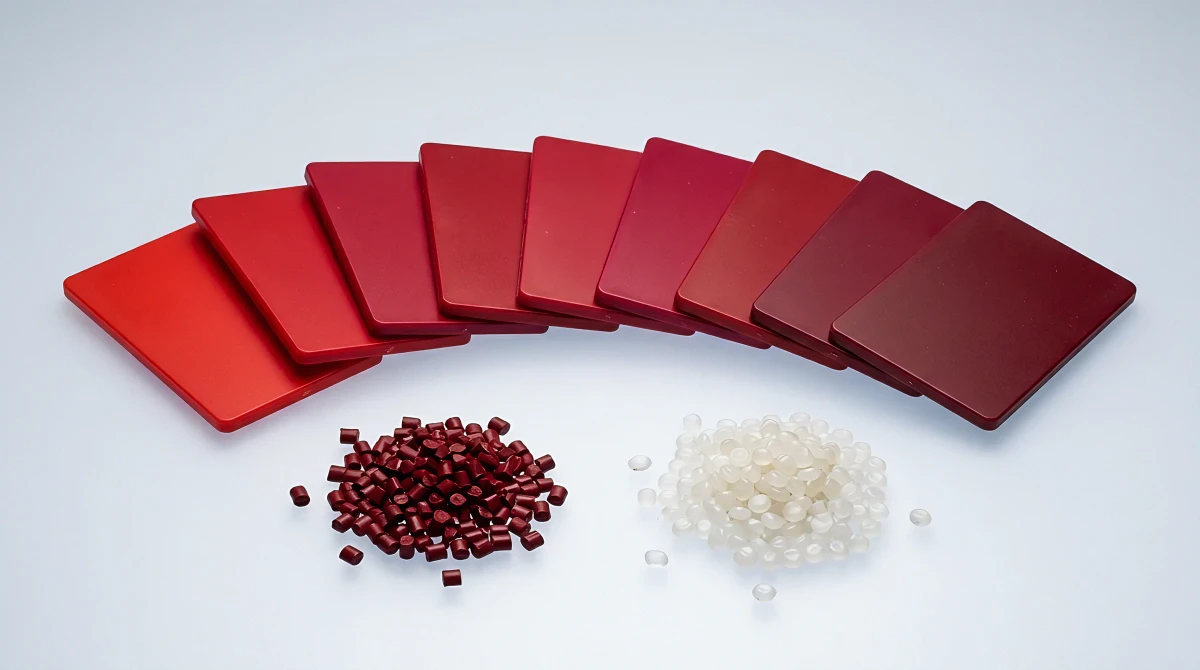
How masterbatch color is matched, dosed, distributed and measured so that every lot of a molded part matches the standard agreed at the first article.

How Masterbatch Color Is Held Across a RunThree things have to stay constant for color to hold. The masterbatch has to be the same formulation at the same let-down ratio, the melt has to distribute it evenly, and the part has to be measured the same way each time.

How Many Parts One Aluminum Injection Mold Gives

A mold's life is a toolmaker's rating for a stated resin and cavity count, converted into parts per tool and then into tools per quantity.

What Sets the Number of Parts One Aluminum Mold GivesThree things set it, and they act together. One is the alloy and where in the plate the cavity sits.

Cycle Time and Parts per Hour in a Bridge Injection Molding Run

A cycle is the sum of fill, hold, cooling and press motions, and a supplier's number is only as good as the pack and cooling times behind it.

What Sets Cycle Time and Parts per HourA molding cycle is a loop of seven moves: the mold closes, the cavity fills, the pack and hold phase runs, the part cools, the mold opens, the part is ejected, and the screw recovers for the next shot. Recovery runs while the part cools, which is why DuPont's nylon guide asks for screw speeds adjusted so that screw retraction time is shorter than the cooling phase.

Request an Injection Molding Quote

Send the 2D drawing and the 3D file, with the quantity and the stage of the project. An engineer replies within 1 working day.

The quote form, the mutual NDA and the private folder for your files are on Protolis Atelier, with Injection Molding chosen.

Request a Quote