Meaning
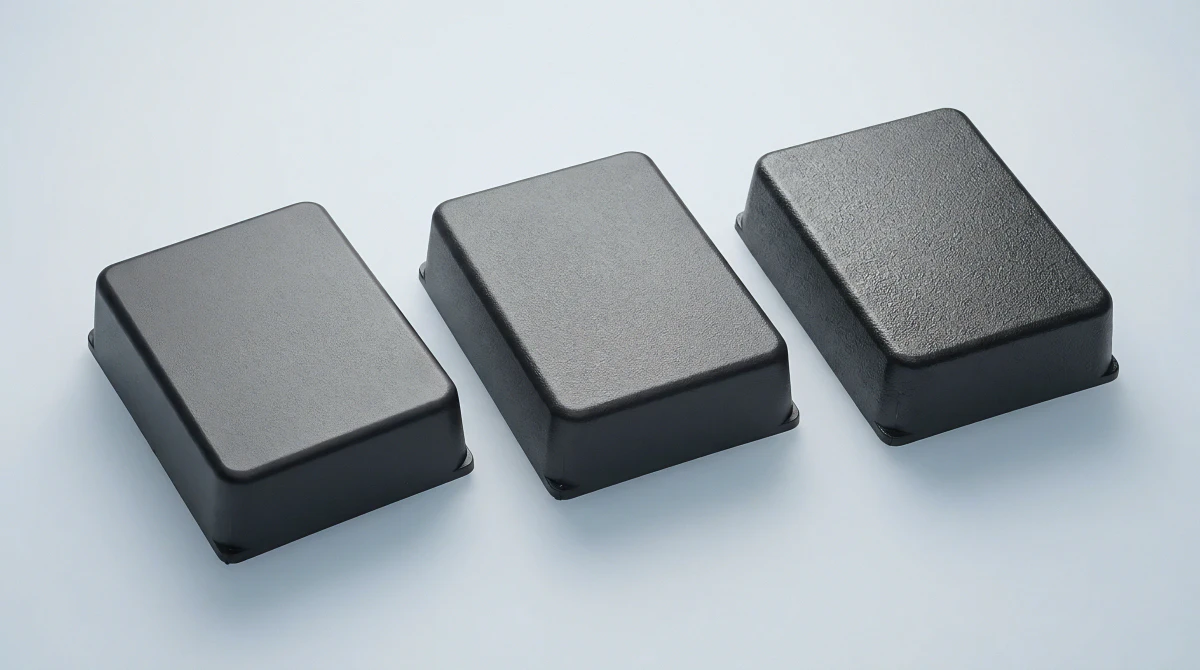
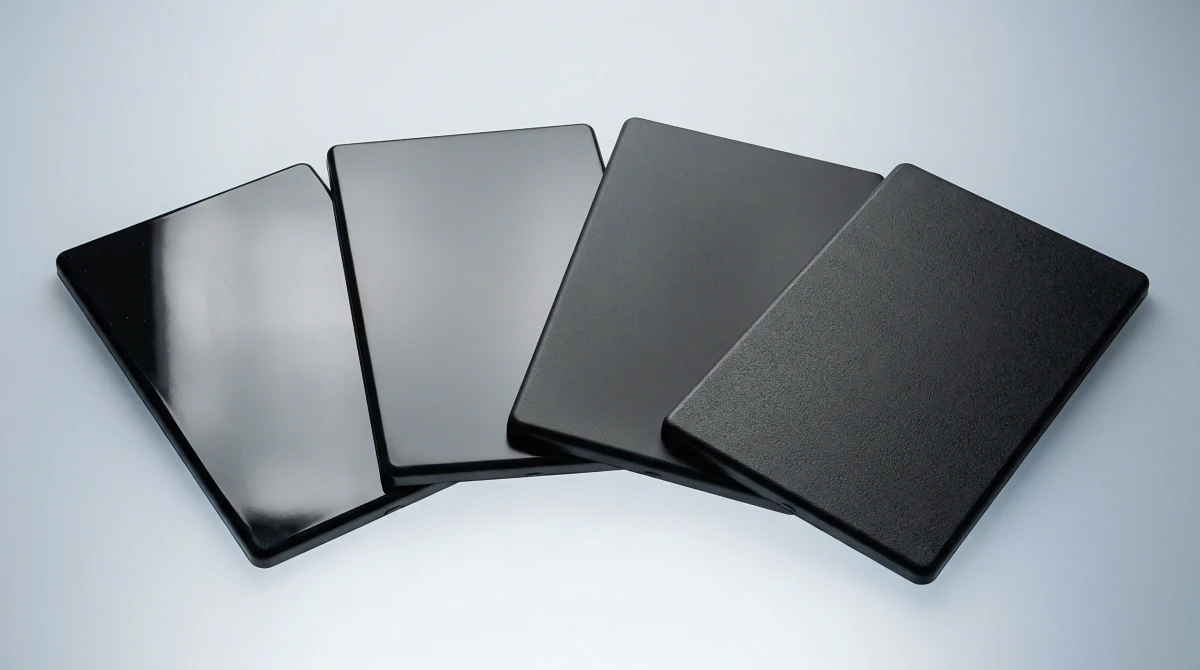
Texture is a pattern etched, engraved or blasted into a mold surface so that every molded part carries it, from a fine matte to a deep grain. It sets the look and feel of a face, hides handling marks and adds small undercuts to every wall it covers. On a drawing it is named by a texture house number or an SPI grade, and that name fixes a depth.Texture Depth and Draft
Standex Engraving Mold-Tech recommends 1° of draft for every 0.013 to 0.015 mm (0.0005 to 0.0006 in) of texture depth on a wall the part shrinks away from, which is about 1.7° to 2° per 0.025 mm (0.001 in). Its technical data sheet states that the older figure of 1.5° per 0.025 mm is no longer a valid guideline. Walls the part shrinks onto need 2 to 3 times as much draft, and slides and lifters take their draft from their own direction of travel. A texture called out without a depth is cut to the texture house’s default depth, so the drawing fixes a draft whether or not the depth is written.Read More
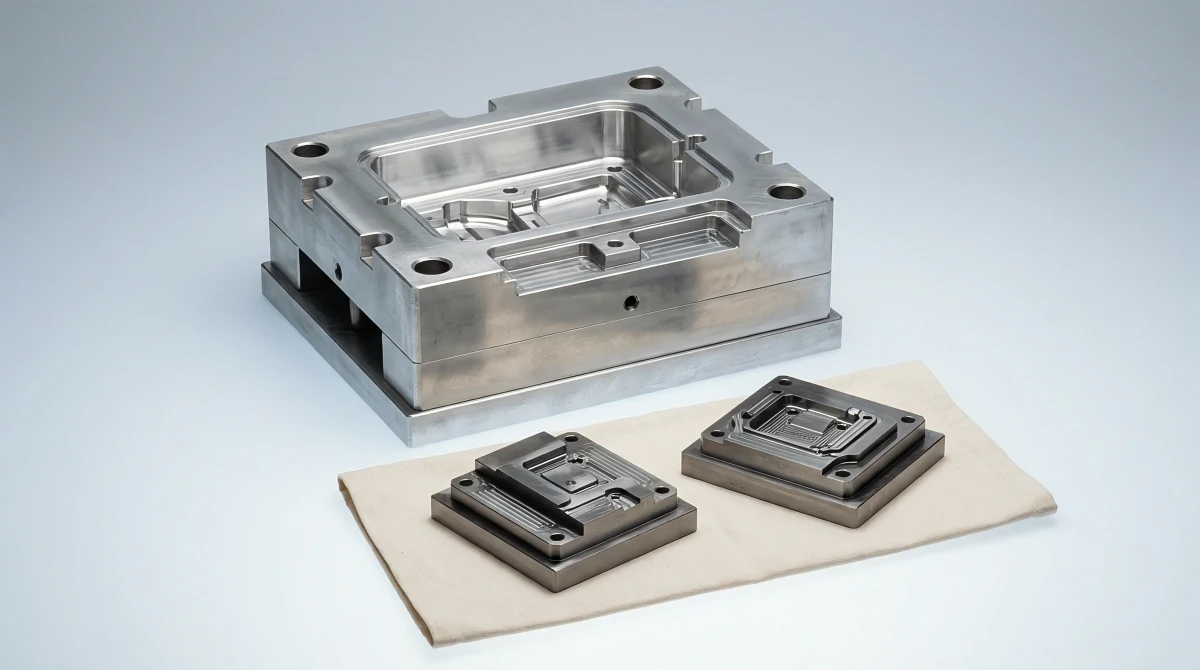
Mold Preparation
The surface under a texture shows through it. Standex asks for a 500 emery finish under 0.020 mm (0.0008 in) of depth, 400 emery from 0.020 to 0.10 mm (0.0008 to 0.004 in) and 320 emery above that, with all EDM scale, burns and cutter marks removed. The recast layer left by EDM does not etch evenly, and a weld without proper preheat and post-heat shows as a ring in the grain.Wear and Repair
Etched texture loses depth and sharpness as a tool wears, and judging by eye whether parts still match the reference is open to interpretation. Profilometers and silicone replicas give a measured depth that can be tracked against shots. Worn texture is restored by laser etching or by the texture house, never by overpolishing, and drag marks on a textured wall usually mean the grain is deeper than the draft allows.Effect on Color
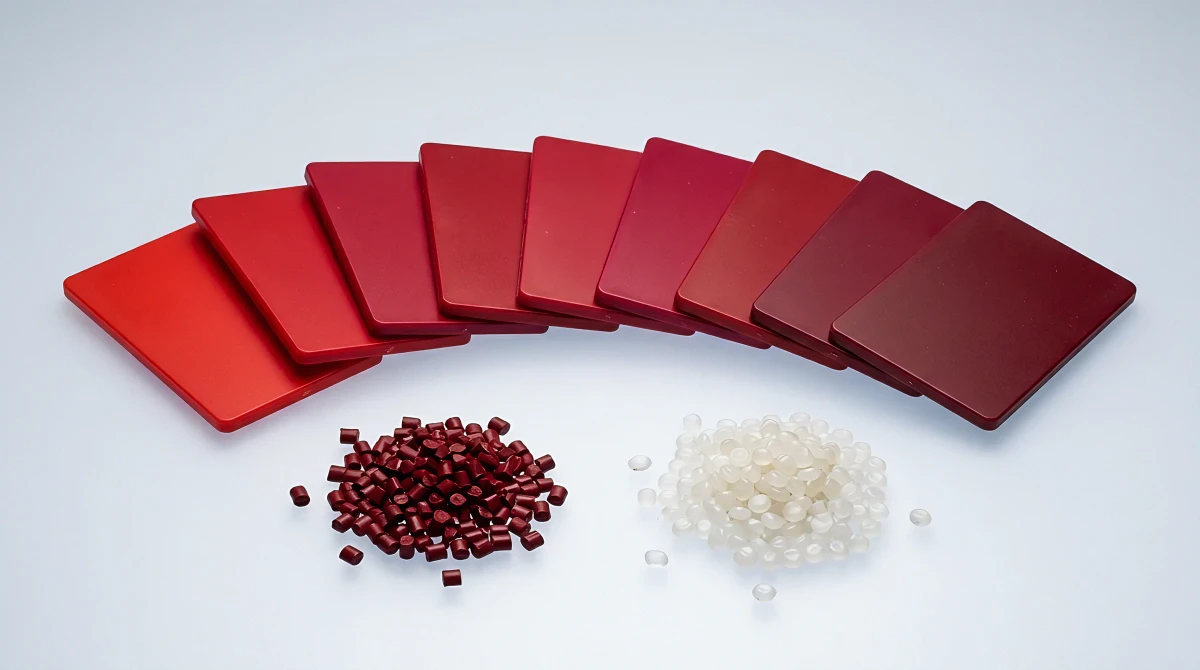
ASTM D2244 notes that gloss and texture change how a measured color difference relates to what a buyer accepts, so a color standard is measured on the same texture as the part.