Sample Plate

A sample plate is a physical reference piece carrying the agreed finish, against which a part's surface and appearance are judged.

Every Sample Plate article of the Injection Molding Resources, newest first, each written from published standards, research and makers’ data.

Meaning

A sample plate is a physical reference piece carrying the agreed finish, against which a part’s surface and appearance are judged. It settles what a roughness number cannot. Cosmetic limits, flow marks and joint lines are judged against it or against a limit sample. It is agreed before the production tool is finished.

Purpose

ISO 20457 leaves sink marks, flow structures, roughness and joint lines outside its scope. A disagreement over a cosmetic limit found at delivery cannot be settled by that standard. It has to be settled by whatever was signed before the tool was cut. A sample plate or a limit sample is that signed reference. Each item outside the standard closes with something that exists physically, a plate, a limit sample or a measured first article.
Read More

Finish Note

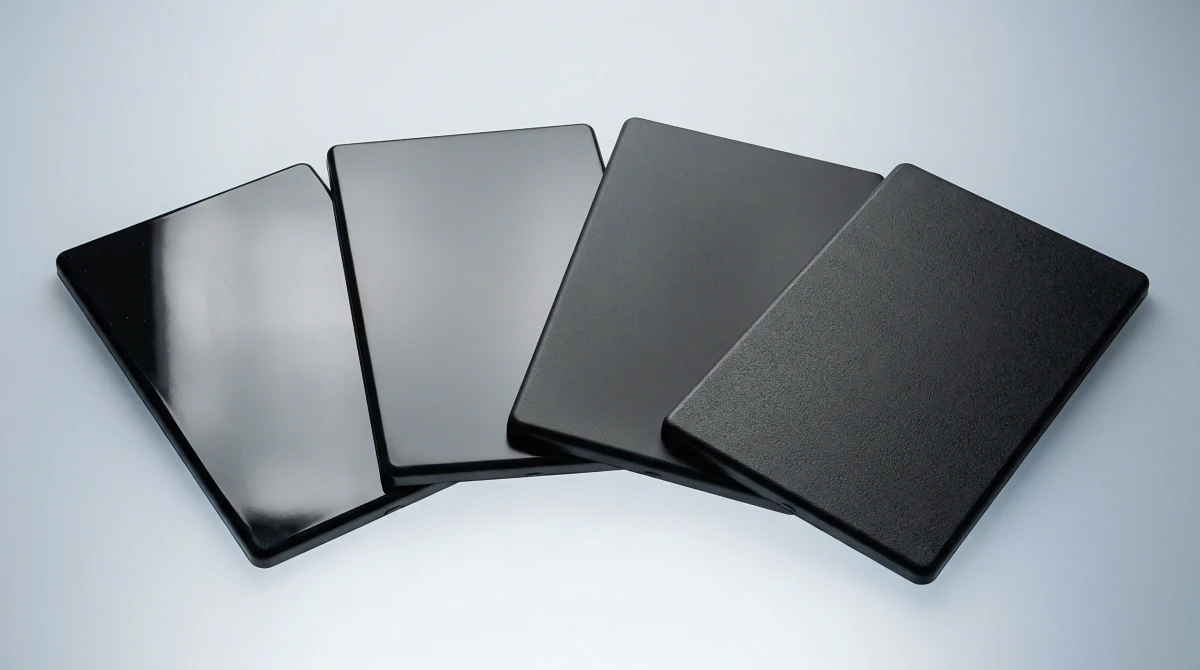
A finish note names the grade, the face, the texture with its depth, and the reference. On a display cover the note can read window face SPI A-2 and side faces SPI C-1. The approved sample plate is named as the reference. The plate decides any argument the Ra column cannot.

Aluminum Polish

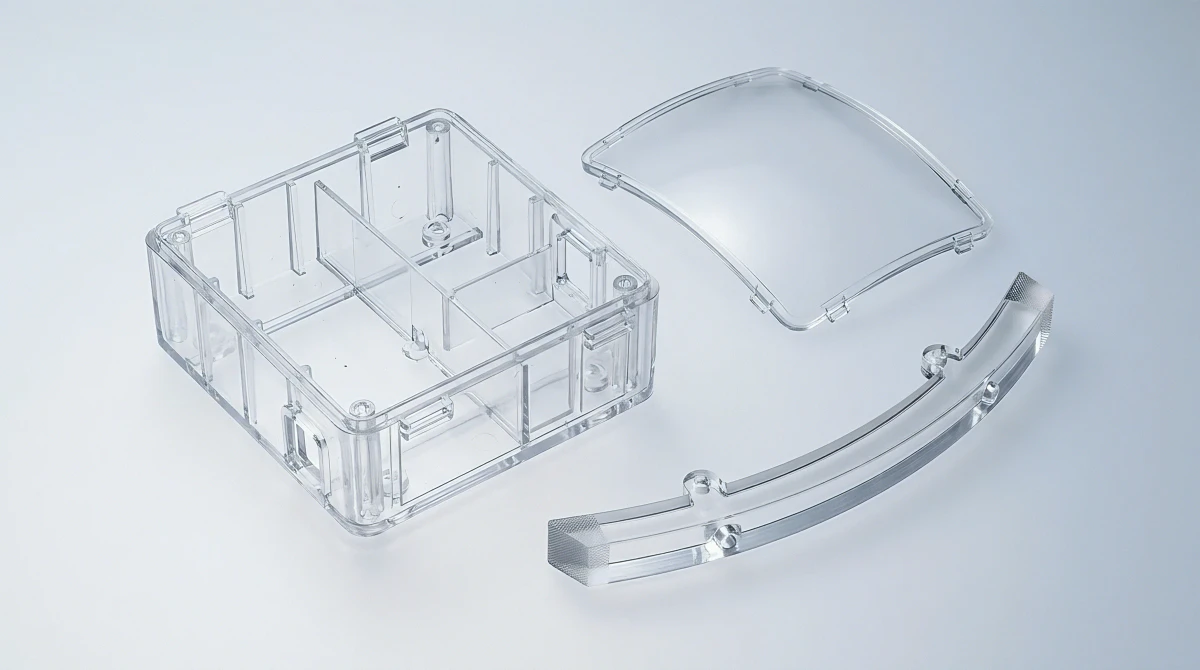
The sources read here do not state which polish grade a given aluminum alloy accepts or how long it holds. That question goes to the toolmaker with a sample plate. On clear polycarbonate, a polish is checked on a sample plate before the tool is textured or coated.

Maintenance

A finish wears with every shot. The finish note says whether it is restored at cleaning or only inspected, and the plate remains the reference for both.
SPI Mold Finish Grades A-1 to D-3 for Injection Molded Parts

The SPI finish grades read for a buyer, with what each method gives, how texture costs draft, and how a finish is written and kept on an aluminum tool.

What the Twelve SPI Finish Grades SpecifyThe SPI system names a finish by a letter and a number. Its letter gives the finishing method, A for diamond buff, B for grit paper, C for stone and D for dry blast, while the number runs from 1, the finest within a letter, to 3, the coarsest.

ISO 20457 Tolerances for Plastic Molded Parts Read for the Buyer

How ISO 20457 is worded for plastic molded parts, what a supplier signs when a drawing cites it, and which items stay outside it for the order to settle.

What ISO 20457 Covers for Injection Molded PartsAccording to the abstract published by the Swedish Institute for Standards (SIS), ISO 20457 specifies possible manufacturing tolerances for plastic moulded parts, and it covers all integral features with general tolerances, using a surface profile tolerance within a specified datum system. It applies to injection moulding, injection compression moulding, transfer moulding, compression moulding and rotational moulding of non-porous parts in thermoplastics, thermoplastic elastomers and thermosets.

Polycarbonate Injection Molding Properties for Clear and Tough Parts

Polycarbonate read from the maker's sheets for a buyer: what it molds like when dry and hot, how thin walls fill, and what to ask of an aluminum tool.

Makrolon 2407 Properties in Metric and Inch UnitsMakrolon 2407 is a low-viscosity, general-purpose, UV-stabilized, easy-release polycarbonate with a melt volume-flow rate of 19 cm³/10 min at 300 °C and 1.2 kg under ISO 1133. Its ISO short name is ISO 7391-PC,MLR,(,,)-18-9.

Request an Injection Molding Quote

Send the 2D drawing and the 3D file, with the quantity and the stage of the project. An engineer replies within 1 working day.

The quote form, the mutual NDA and the private folder for your files are on Protolis Atelier, with Injection Molding chosen.

Request a Quote