Meaning
A semi-crystalline resin is a thermoplastic that partly crystallizes as it cools, such as acetal and nylon, losing extra volume in that step. DuPont puts its acetal homopolymer at almost 60 percent crystalline. The crystallization loss is what the hold phase has to feed. Its typical failure under a poor process is under-packing.Volume Loss
On DuPont’s pressure-volume diagram, acetal loses 11 percent of its volume to crystallization. A further 7 percent goes to cooling the solid, about 2 percent in linear terms. Only the crystallization loss can be fed, and only through an open gate. When packing replaces it fully, the remaining thermal shrinkage is independent of part thickness.Read More
Failure Mode
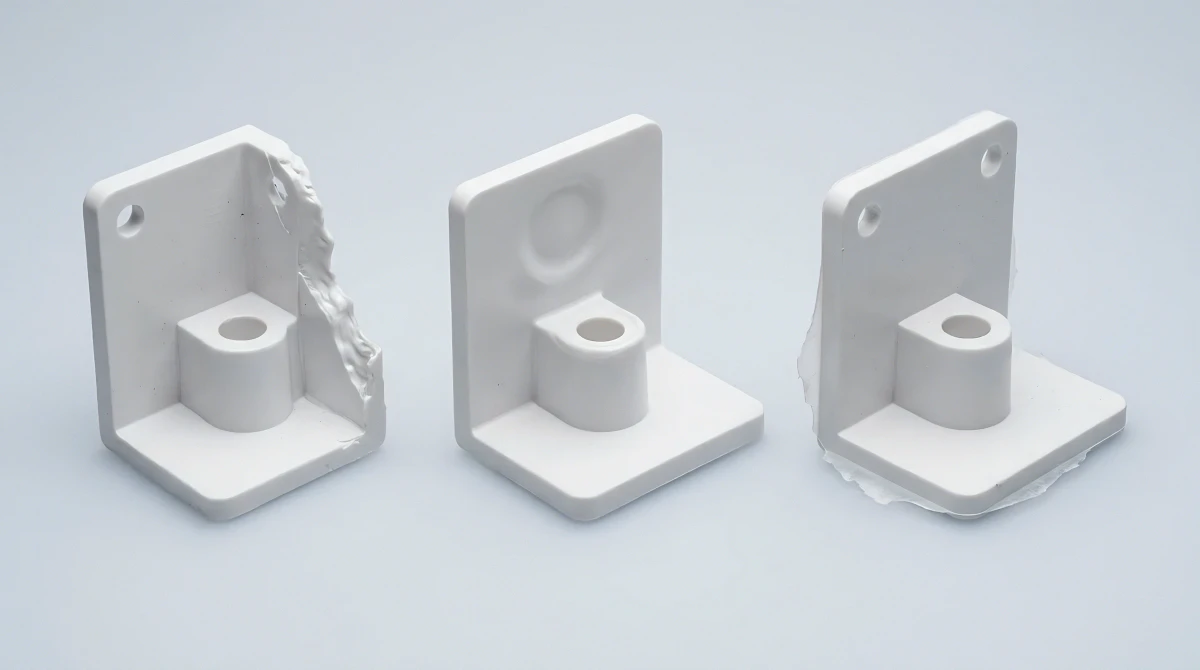
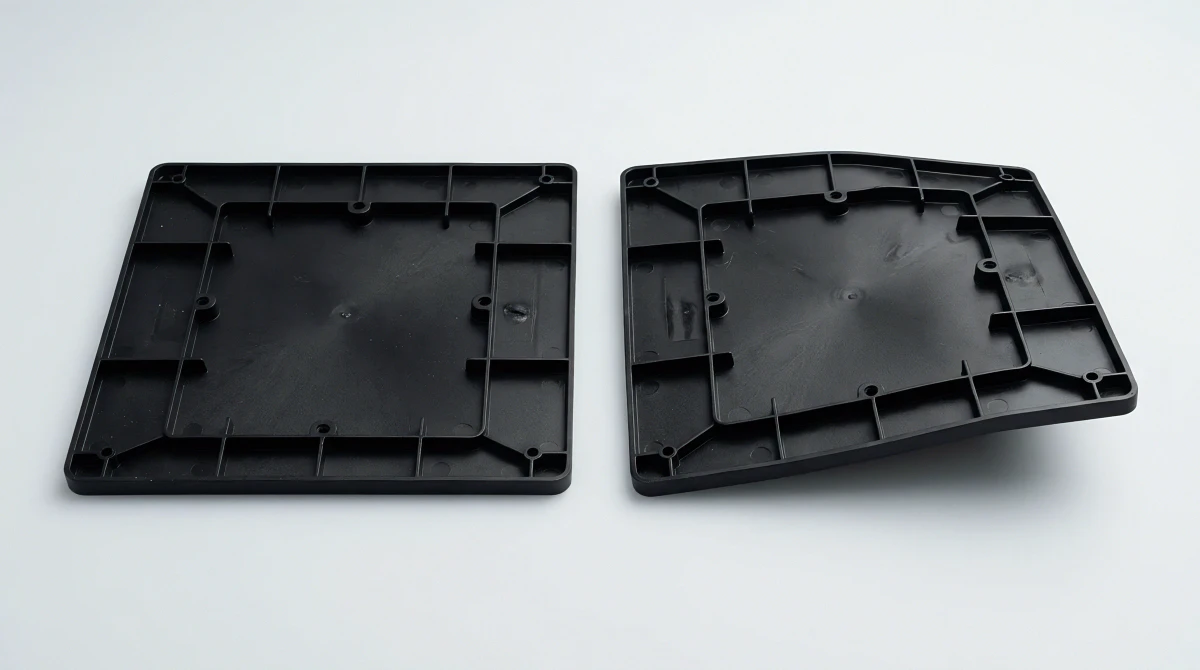
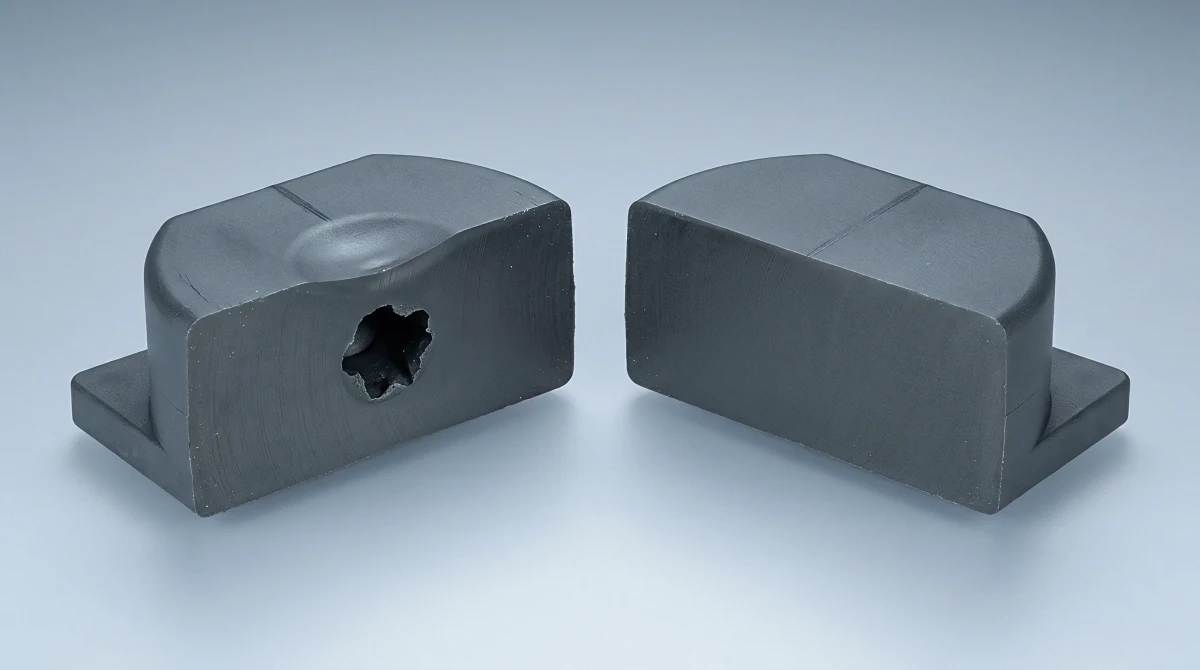
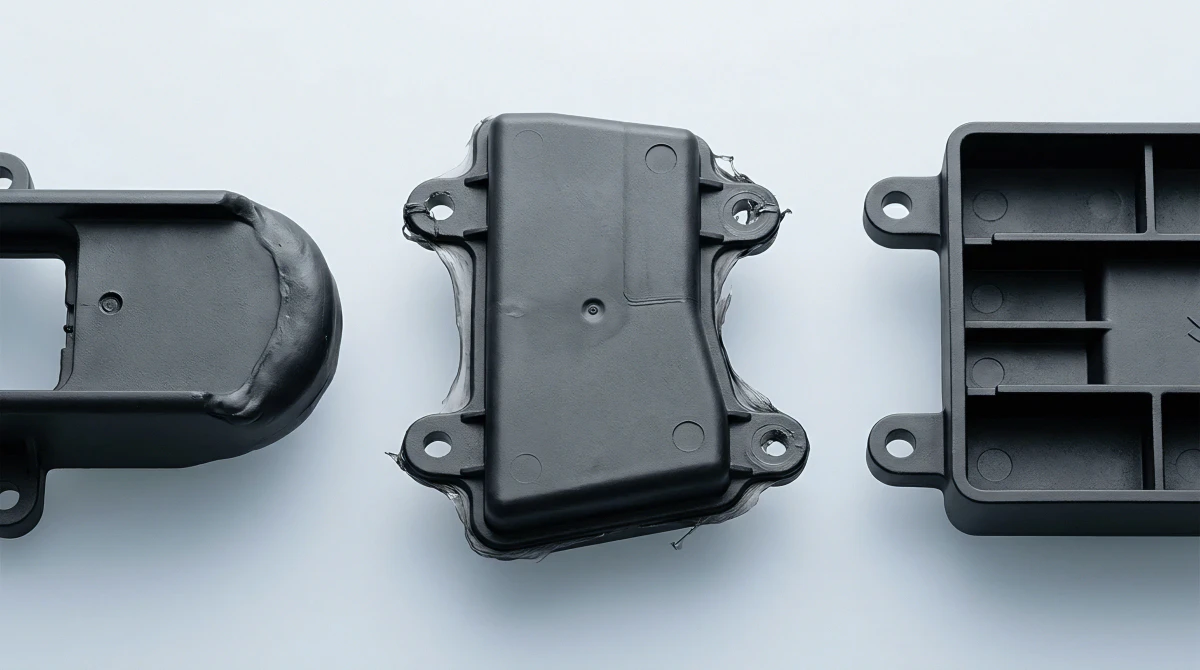
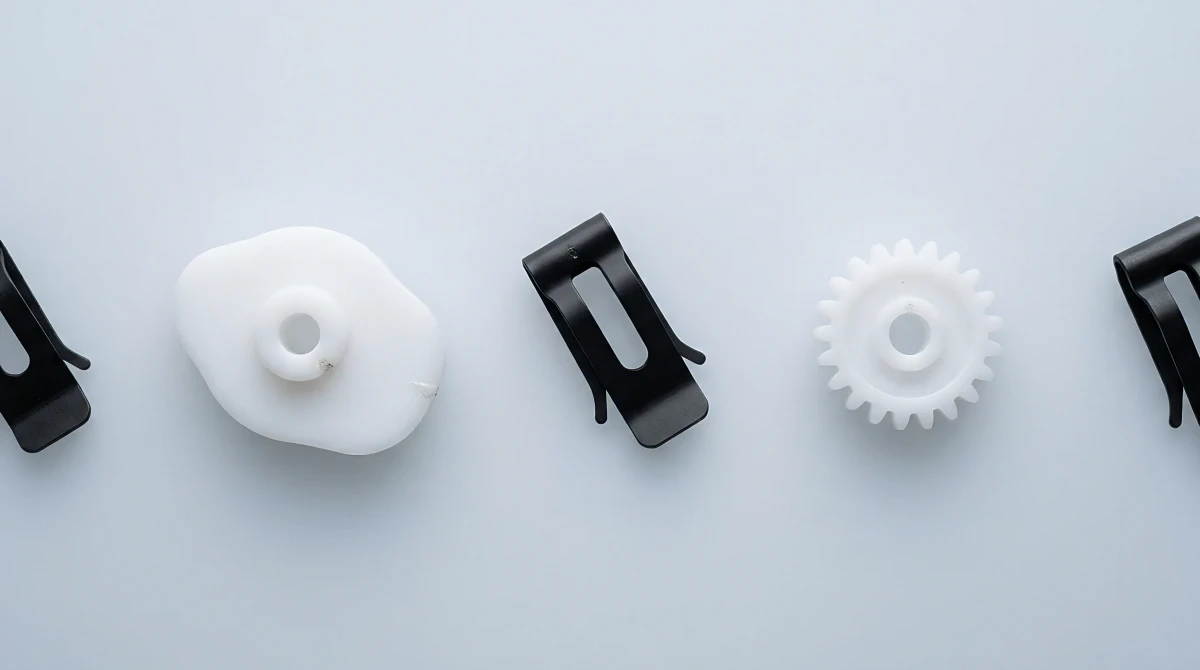
A bad process tends to under-pack a semi-crystalline resin, which then shrinks too much. The error shows as sink, voids and size, not as flash. Poor packing in a narrow gate costs up to 30 percent of mechanical performance, with warpage and uncontrolled shrinkage.Gate Rule
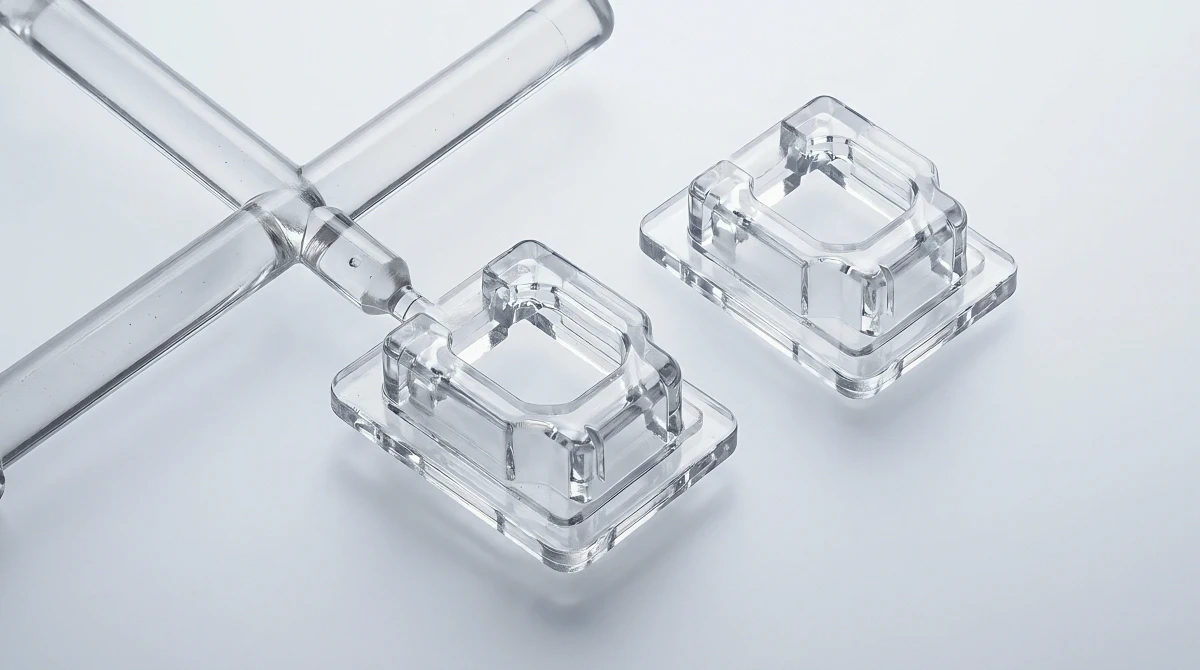
A conical gate suits amorphous resins, but acetal crystallizes in its narrow tip before packing ends. DuPont’s tunnel gate sits in the thickest area, at least half the wall in diameter. Its length stays under 0.8 mm (0.03 in).Cooling and Ejection
Once packed, a semi-crystalline part is solid and needs no further cooling in the mold. DuPont ejects acetal hot and lets it shrink without constraint in air. The cycle is therefore shorter than for an amorphous resin, which waits through a long cooling stage. Mold temperature still matters, because a cold mold leaves crystallization to continue after ejection. In nylon, DuPont links a cold mold to high post-mold shrinkage and internal stress.