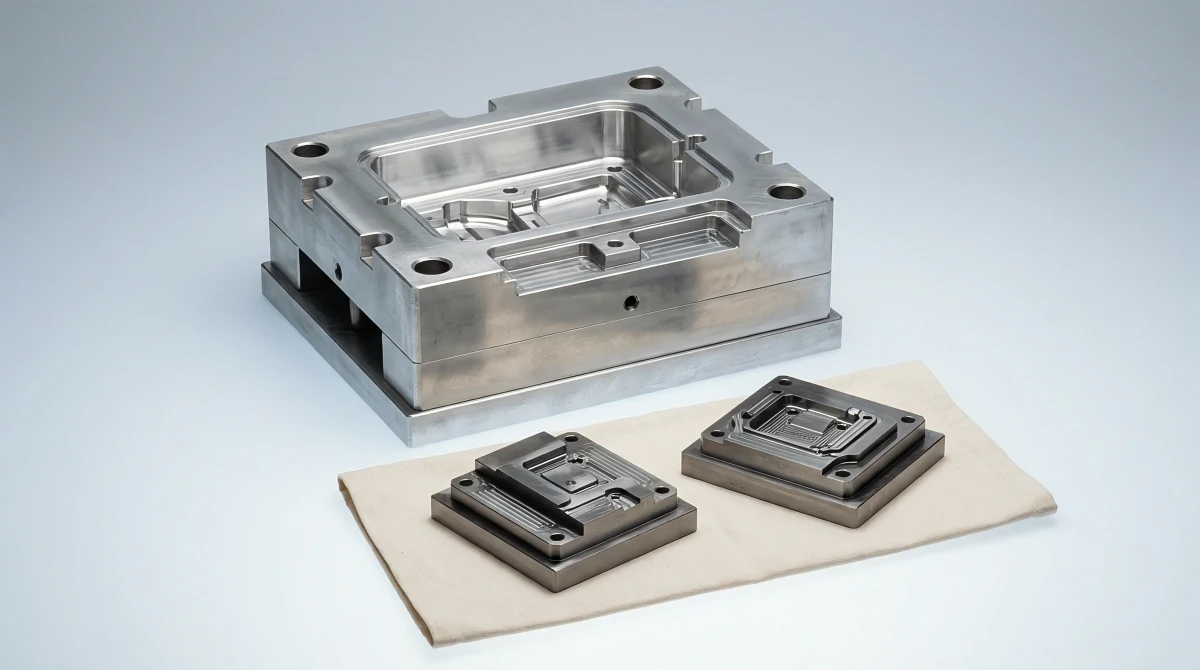
Runner

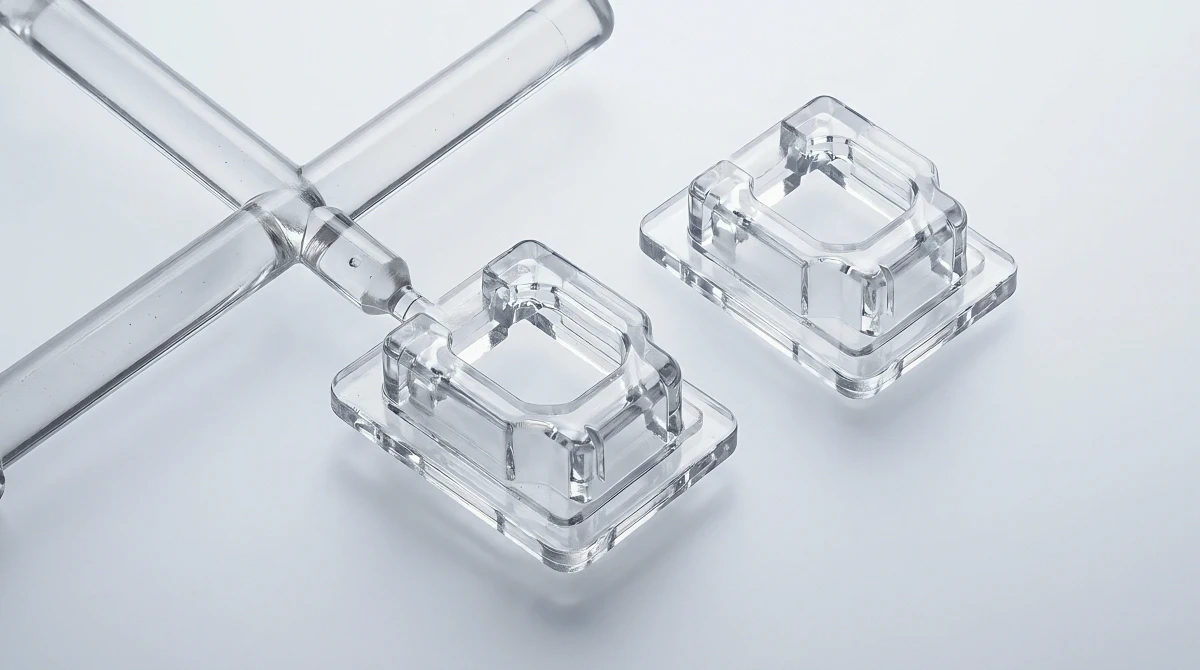
A runner is the channel that carries melt from the sprue to the gates, molded with the part in a cold runner tool.

Every Runner article of the Injection Molding Resources, newest first, each written from published standards, research and makers’ data.

Meaning

A runner is the channel that carries melt from the sprue to the gates, molded with the part in a cold runner tool. It has to freeze and cool enough to eject with the part. It is often the thickest section in the cavity block. It is vented like the cavity.

Effect on Cycle

In a cold runner tool the runner is molded with the part and has to be solid enough to eject. DuPont asks for an effective runner diameter larger than the molded part thickness. The runner can therefore set the cooling interval of a cold runner tool. A hot runner is the alternative, and Arconic’s hot half shields the aluminum tool from its heat. That removes the runner from the cooling interval, at the cost of isolation and expansion design.
Read More

Clamp Force

The projected area the press holds shut includes the runner. A 600 kN (65 ton) press at 90 MPa (13,050 psi) holds about 6,700 mm² (10.3 in²), runner included. Pressure falls along the runner and through the gate, so cavity pressure sits below screw pressure.

Venting and Moisture

Runners are vented like cavities, at the parting line and at the ejectors. On wet nylon, high moisture lowers viscosity and can over-pack the part and the runner.

Regrind

Runner and sprue return to the cycle as regrind. DuPont limits reinforced nylon regrind to 50 percent, preferably 25. Covestro finds up to 20 percent leaves its conductive grades’ conductivity almost unchanged.

Weighing

In a hold time study, runner and sprue are removed before each part is weighed. The weight then reads the part alone.

Mold Maintenance and Spare Inserts Across a Bridge Injection Molding Run

How a bridge mold is cleaned, inspected and fitted with inserts across a run, so that wear is recorded, predicted and met with spares instead of stoppages.

What a Bridge Mold Needs Between LotsThe aluminum maintenance column is plain on the first rule: an aluminum mold is taken apart and cleaned thoroughly after every run of parts, and cleaned again before storage, however short the run. It can often run five to seven days before it needs cleaning, the author notes, though some resins and some molds with actions need it after two to three days.
Color Matching Molded Parts With Masterbatch in a Production Run

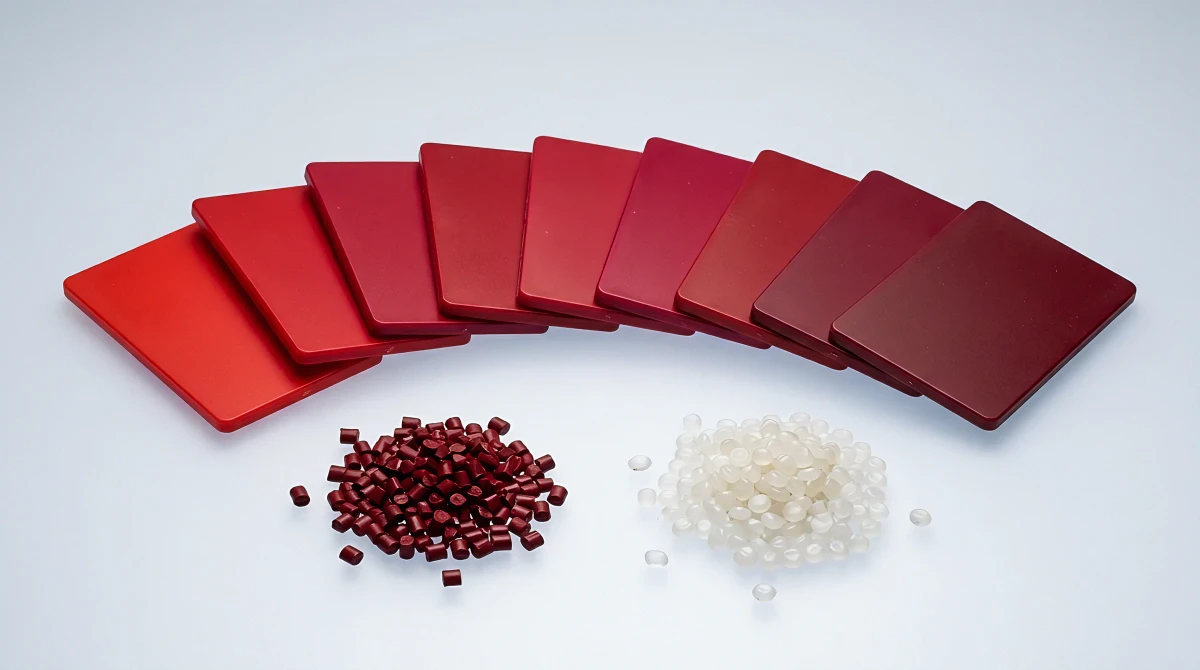
How masterbatch color is matched, dosed, distributed and measured so that every lot of a molded part matches the standard agreed at the first article.

How Masterbatch Color Is Held Across a RunThree things have to stay constant for color to hold. The masterbatch has to be the same formulation at the same let-down ratio, the melt has to distribute it evenly, and the part has to be measured the same way each time.

Short Shot, Sink and Flash in Injection Molding Traced to Their Cause

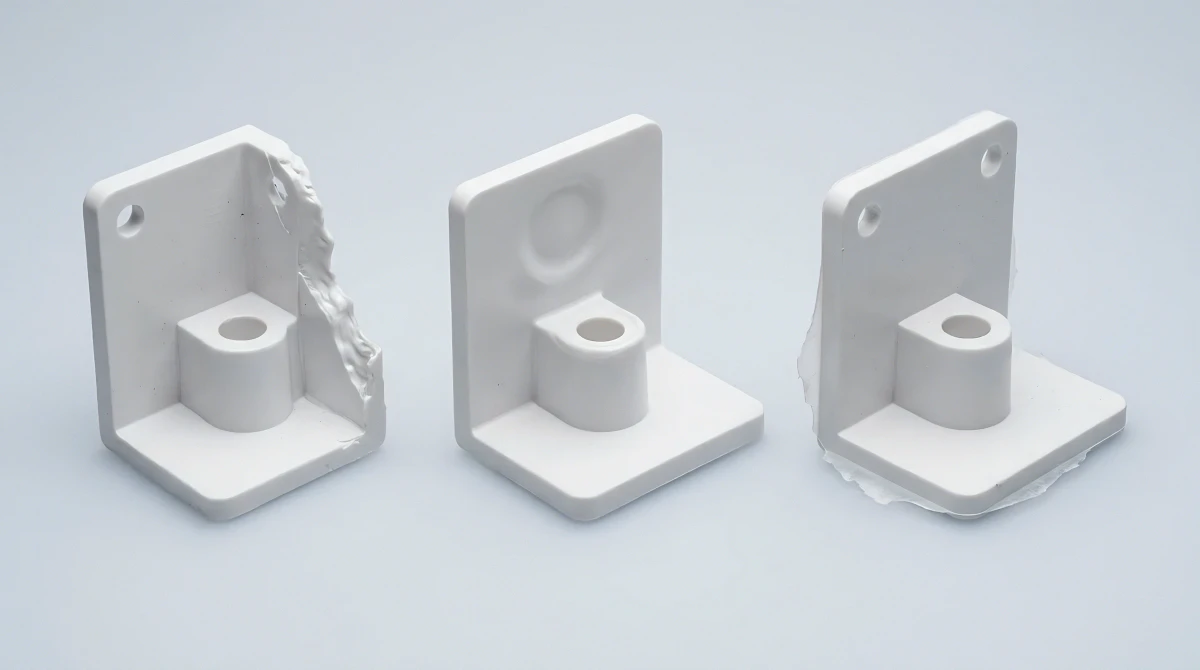
Short shots, sinks and flash traced to the melt volume, pressure and steel behind them, with the checks that find the cause before a setting is moved.

What Short Shots, Sink and Flash Have in CommonA short shot is a part the cavity never finished. BASF's troubleshooting brochure for engineering thermoplastics describes it as a part not completely formed, mainly in the areas furthest from the gate or in thin walls.

Gate Location and Gate Freeze in Injection Molding

Where a gate goes, how big it is and how long it stays open, with the weight study that sets hold time from the gate itself.

How Gate Location and Gate Freeze Shape a Molded PartAutodesk's Moldflow design rules open with the claim that gate position strongly affects material orientation and warpage, and that changing the gate is sometimes the only way to control orientation. Every gate injects under the same pressure, and the aim of gating is to avoid overpacking some paths while others are still filling, because unequal packing gives unequal shrinkage.

Cycle Time and Parts per Hour in a Bridge Injection Molding Run

A cycle is the sum of fill, hold, cooling and press motions, and a supplier's number is only as good as the pack and cooling times behind it.

What Sets Cycle Time and Parts per HourA molding cycle is a loop of seven moves: the mold closes, the cavity fills, the pack and hold phase runs, the part cools, the mold opens, the part is ejected, and the screw recovers for the next shot. Recovery runs while the part cools, which is why DuPont's nylon guide asks for screw speeds adjusted so that screw retraction time is shorter than the cooling phase.

How to Start Up an Injection Mold and Take the First Shots

A new mold is started cold on purpose, filled in stages with short shots, and read for vents, gates and heat before any process is fixed.

The Start-Up Sequence from a Cold Barrel to the First ShotEight moves take a machine from cold to its first complete part. The first four prepare the melt, the next three shape the shot, and the last one is a decision: whether the part describes the tool or only the settings.

Drying Resin and Setting Melt Temperature Before the First Injection Molded Part

Pellets are dried to a measured moisture limit, held there to the hopper, and melted inside a window that the resin maker prints.

What Dry Resin and a Correct Melt Temperature ProtectWater in a nylon melt is not a surface problem. DuPont explains that water carried into the melt triggers hydrolysis, which breaks the polymer down, costs toughness and strength, and makes the melt flow more easily.

Request an Injection Molding Quote

Send the 2D drawing and the 3D file, with the quantity and the stage of the project. An engineer replies within 1 working day.

The quote form, the mutual NDA and the private folder for your files are on Protolis Atelier, with Injection Molding chosen.

Request a Quote