Meaning
Flammability is the ability of a material or product to burn with a flame under specified conditions, the definition IEC 60695-2-12 takes from ISO 13943. For molded parts it is described by a set of small-scale tests, each of which ranks materials under its own conditions rather than predicting behavior in a real fire.The Tests on a Datasheet
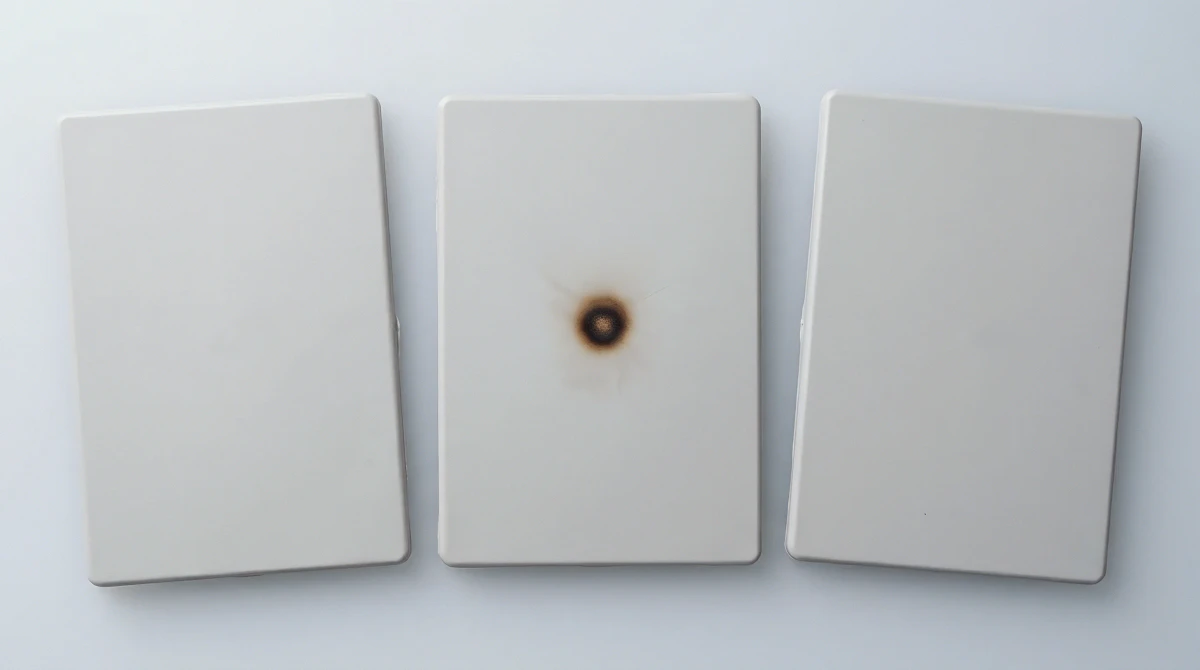
A datasheet’s fire rows can include UL 94 classes such as HB, V-0, V-1 and V-2, the glow wire flammability index of IEC 60695-2-12, the glow wire ignition temperature of IEC 60695-2-13, the needle flame test of IEC 60695-11-5, the ball pressure test of IEC 60695-10-2 and the oxygen index of ISO 4589-2. Makrolon 2407 polycarbonate prints most of them, including a glow wire flammability index of 850 °C at 0.75 mm, 875 °C at 1.5 mm and 930 °C at 3.0 mm.Read More
Thickness
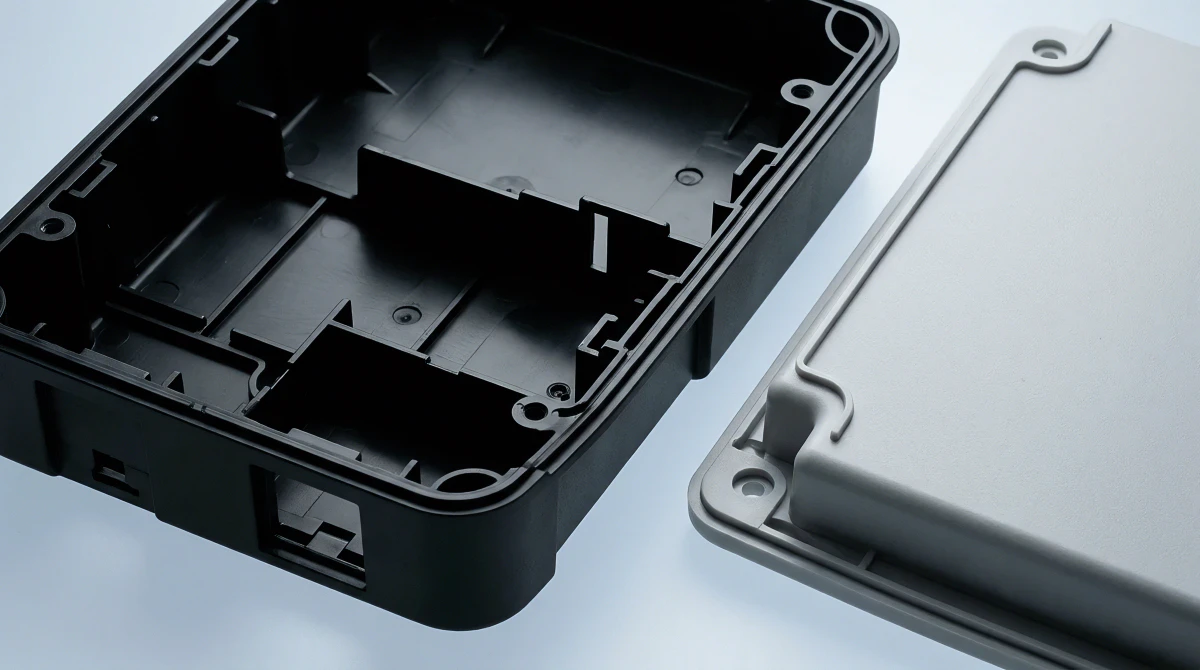
Every flammability rating belongs to a thickness. The same polycarbonate rates UL 94 V-2 at 0.75 mm and HB at 2.7 mm, while its glow wire index rises with the wall. A part’s wall is compared with the thicknesses printed for each test, and a drawing that sets a requirement says which wall it refers to.Material and Product
These are materials tests run on standard specimens. IEC 60695-2-12 states that its method is not intended to describe or appraise the fire hazard of materials, products or assemblies under actual fire conditions, though its results can be elements of a fire hazard assessment. The temperature or class a part needs comes from the end product standard, and the glow wire end product test of IEC 60695-2-11 is run on the part itself where that standard requires it.Glass-Filled Nylon
A 33 % glass-filled nylon 66 grade is UL 94 HB at 0.75 mm and 1.5 mm with an oxygen index of 24 %. A part that needs V-0 names a flame-retardant grade of whichever resin is chosen, and the rating belongs to that grade, thickness and color.