Meaning
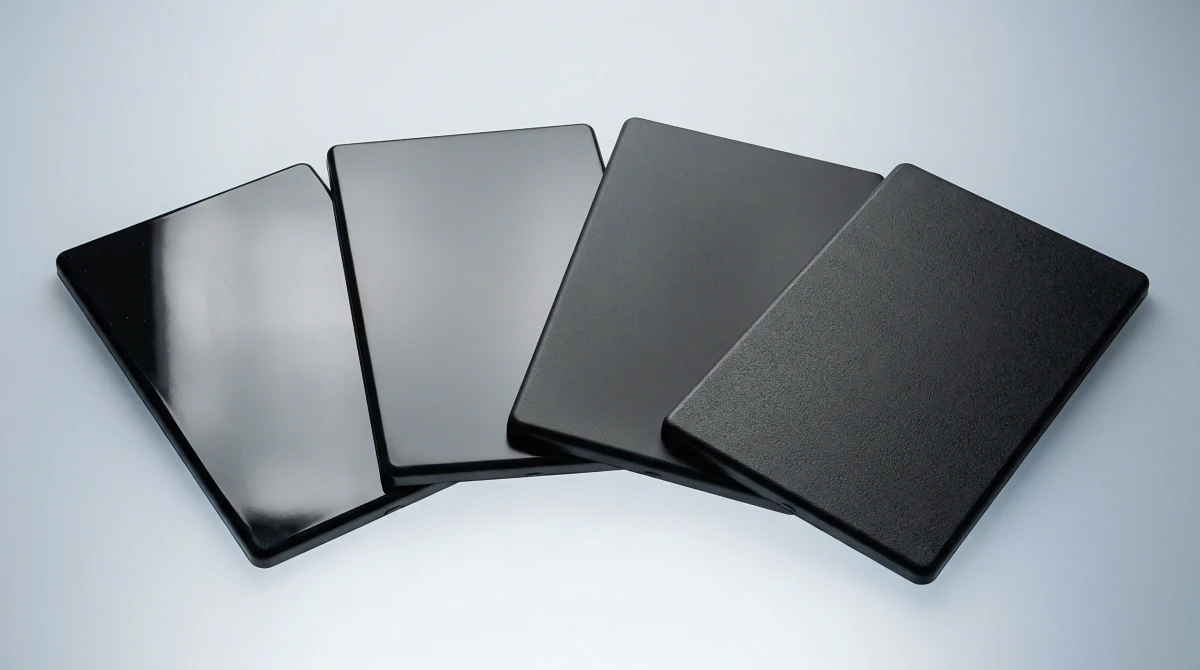
Gloss is the share of light a surface reflects in the mirror direction, the shine of a molded face. It is measured with a gloss meter, typically at 60°, and on a molded part it depends on the mold’s finish and texture as much as on the resin and the process.Measurement
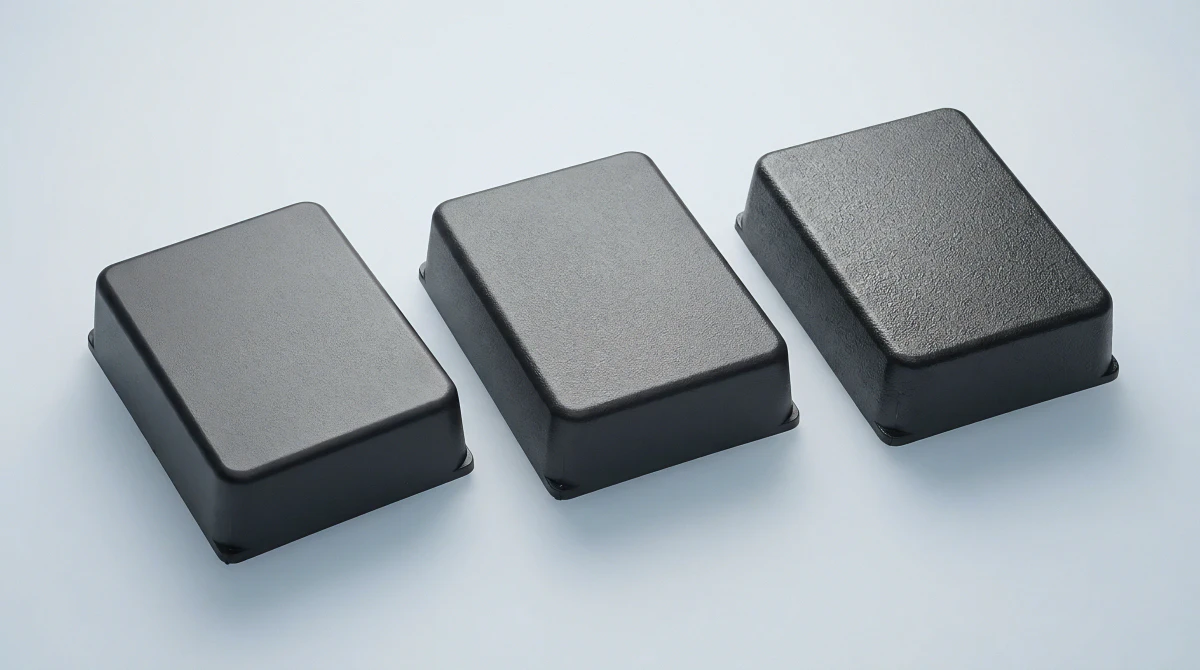
Standex Engraving Mold-Tech notes that the gloss number from a 60° meter represents a percentage of light reflected off the surface. For textured automotive TPO parts, MoldMaking Technology reports that a 60° gloss of at least 2.2 is often taken as the threshold for marring resistance, with medium grains of 0.051 to 0.076 mm (0.002 to 0.003 in) hiding surface marks; that finding is specific to TPO and still under test.Read More
Process Factors
Standex lists molding material, tool temperature, pack pressure, melt temperature, venting, cycle time, wall thickness, flow, texture pattern and mold coatings as factors that set gloss on a part. Autodesk Moldflow notes for ABS that mold temperature controls gloss, with lower mold temperatures giving lower gloss, and Trinseo states that its ABS grades reach their gloss targets through mold temperature, melt temperature and injection speed.Mold Finish
The SPI finish grades start from diamond-buffed A grades for high-gloss and clear parts and run down to dry-blasted D grades for dull, satin surfaces. A polish that is too shiny for a resin can make parts stick, and one cure made in the press is a less shiny 320 paper draw polish on that face, which changes the gloss the part receives.Gloss and Color
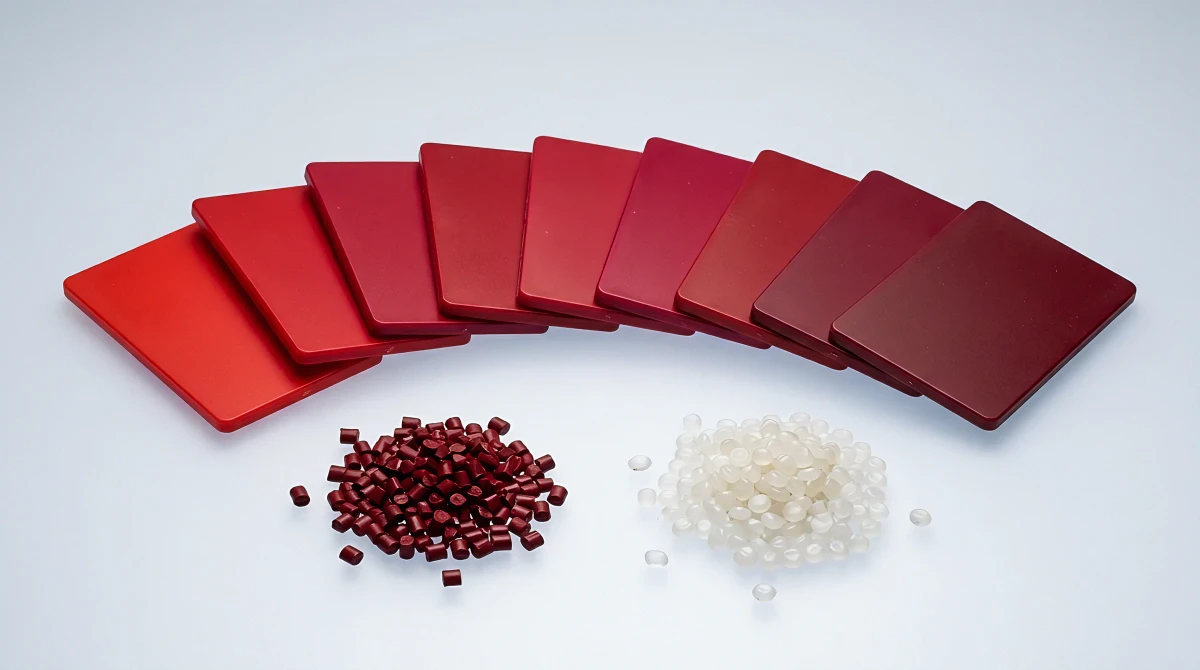
ASTM D2244 notes that gloss changes how a measured color difference relates to what a buyer accepts. A color standard is therefore measured at the same gloss as the part, and a change of mold temperature that moves gloss can make two parts of identical pigment read as different colors.