Meaning
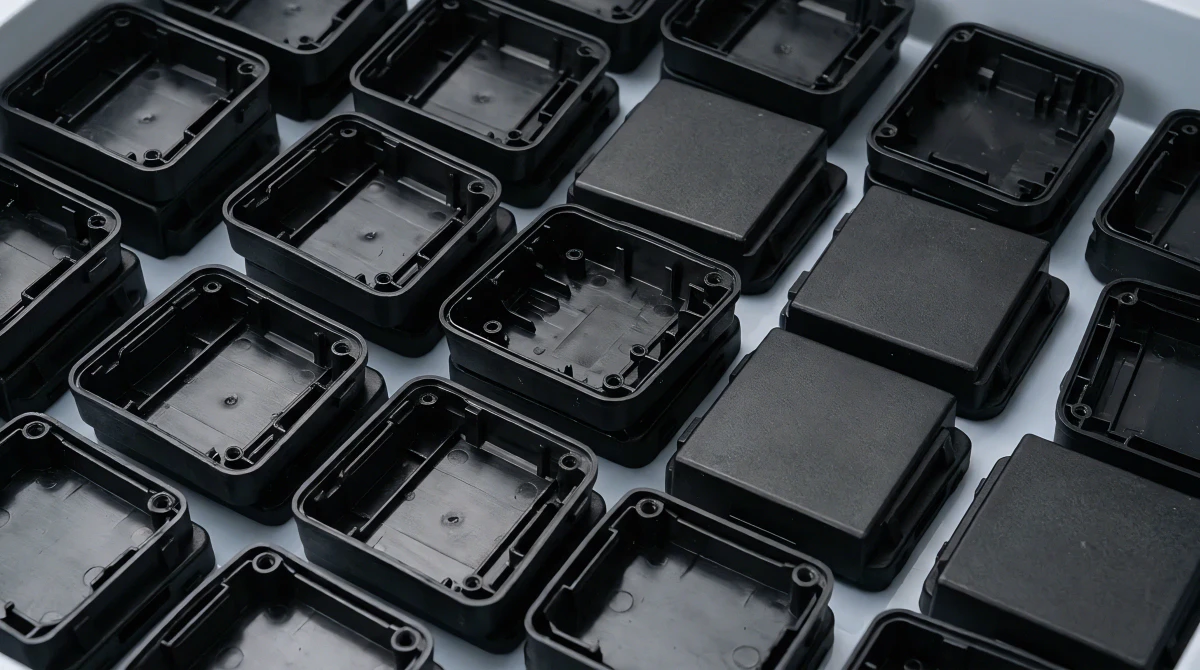
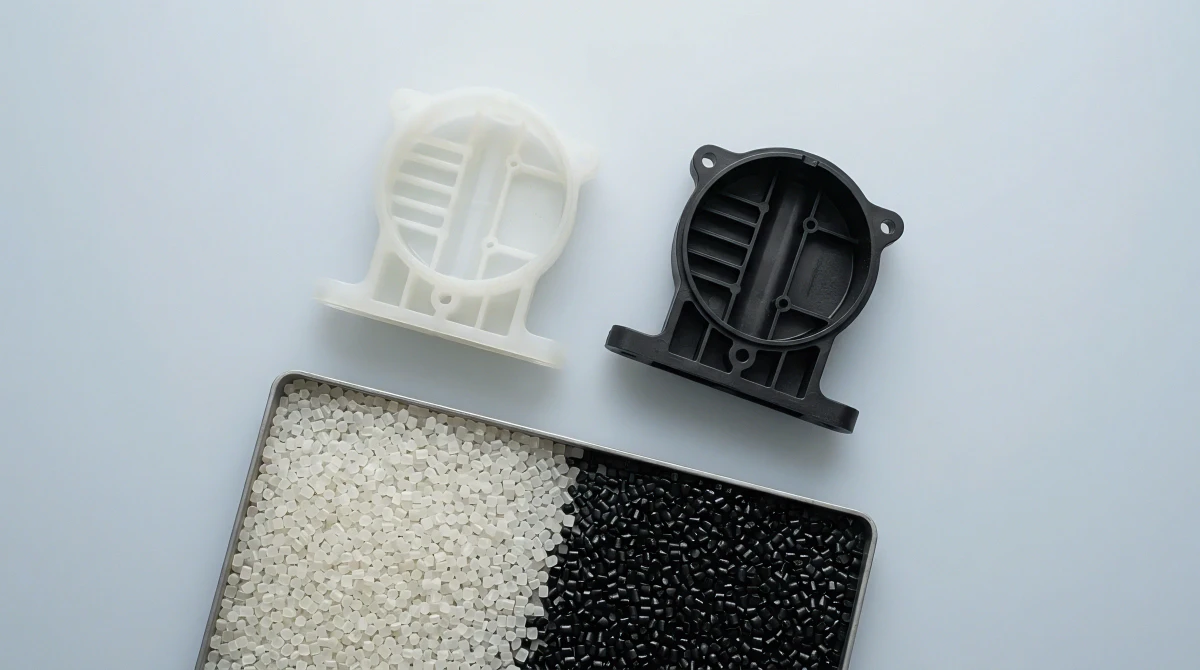
Thermally conductive polycarbonate is a filled polycarbonate grade that moves heat out of a molded part, 8 W/mK or more for Covestro’s Makrolon TC629. Covestro’s processing sheet COV-202, of August 2022, is the source the articles read. The same conductivity makes it freeze fast in the mold. That changes how it is dried, melted and ejected.Drying
Covestro’s processing sheet asks for a desiccant dryer at 121 °C (250 °F) with an inlet dew point of -29 °C (-20 °F). Drying runs at least 4 hours, to below 0.02 percent moisture. Dust and fines may need more frequent filter cleaning.Read More
Melt and Mold
The suggested melt is 300 to 350 °C (572 to 662 °F), ideally 310 to 330 °C. A hotter melt buys flow length, but too much heat warms the mold locally. The part then sticks and ejects badly. The mold runs at 65 to 100 °C (150 to 212 °F), and 65 to 82 °C (150 to 180 °F) avoids sticking. Mold temperature barely changes flow length for these grades.Wall and Flow
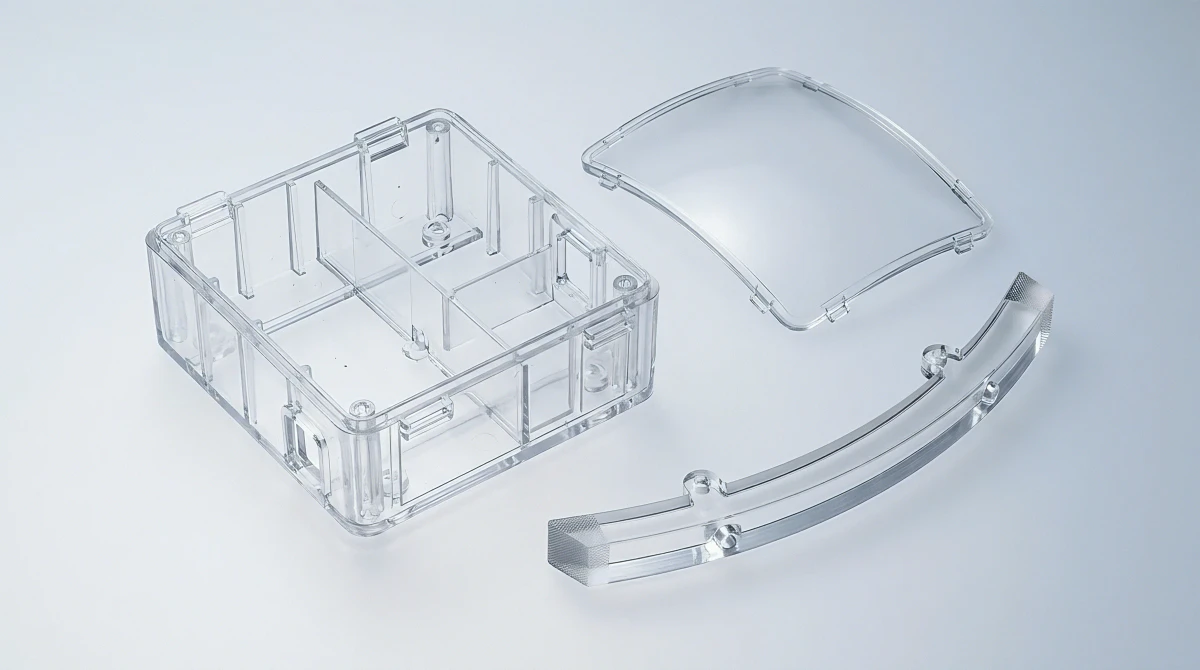
The thinnest practical nominal wall is 1.5 mm (0.059 in). A 2.0 mm wall flows 50 to 100 percent farther than a 1.5 mm wall, by conditions and grade. The minimum rib is also 1.5 mm, vented at the apex of its draft.Screw and Barrel
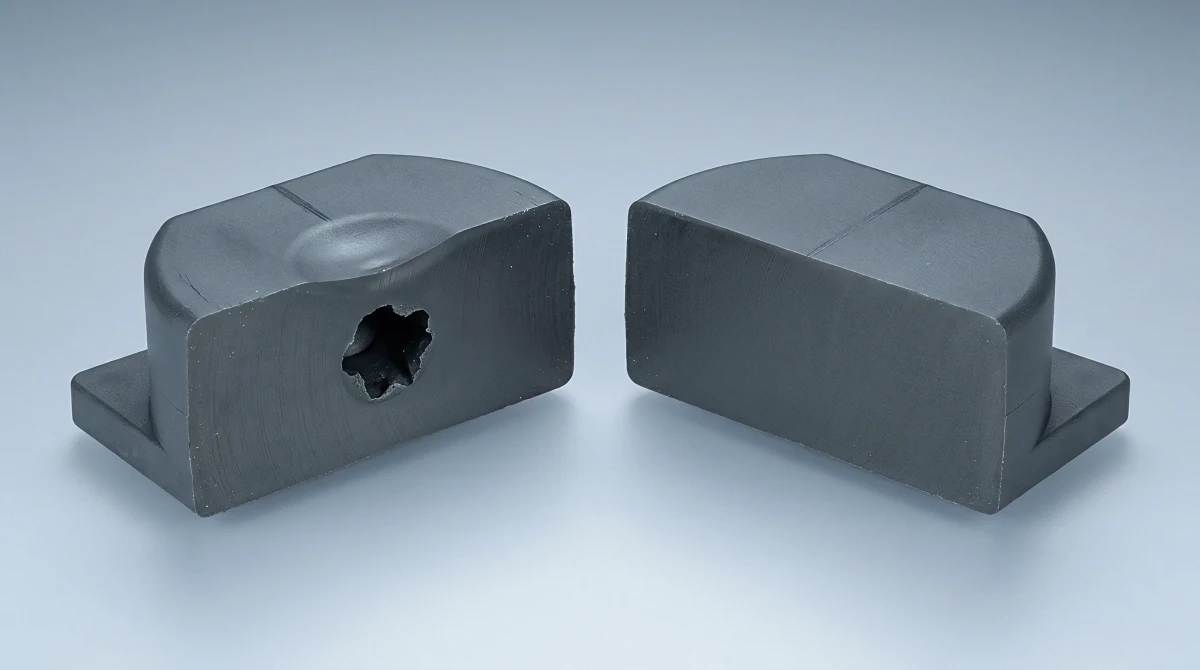
Back pressure runs 5.5 to 7 MPa (800 to 1,000 psi) at a screw speed of 70 to 100 rpm. The shot stroke is 2 to 3 screw diameters, so heat exposure does not degrade the base resin. After about an hour standing at molding temperature, residue can seize the screw and clog the nozzle. Regrind up to 20 percent had little effect on conductivity in Covestro’s studies.Cooling Effect
The resin loses heat to the mold quickly, which shortens cooling. A second saved there can come back as a longer ejection or a cleaning stop.