Meaning
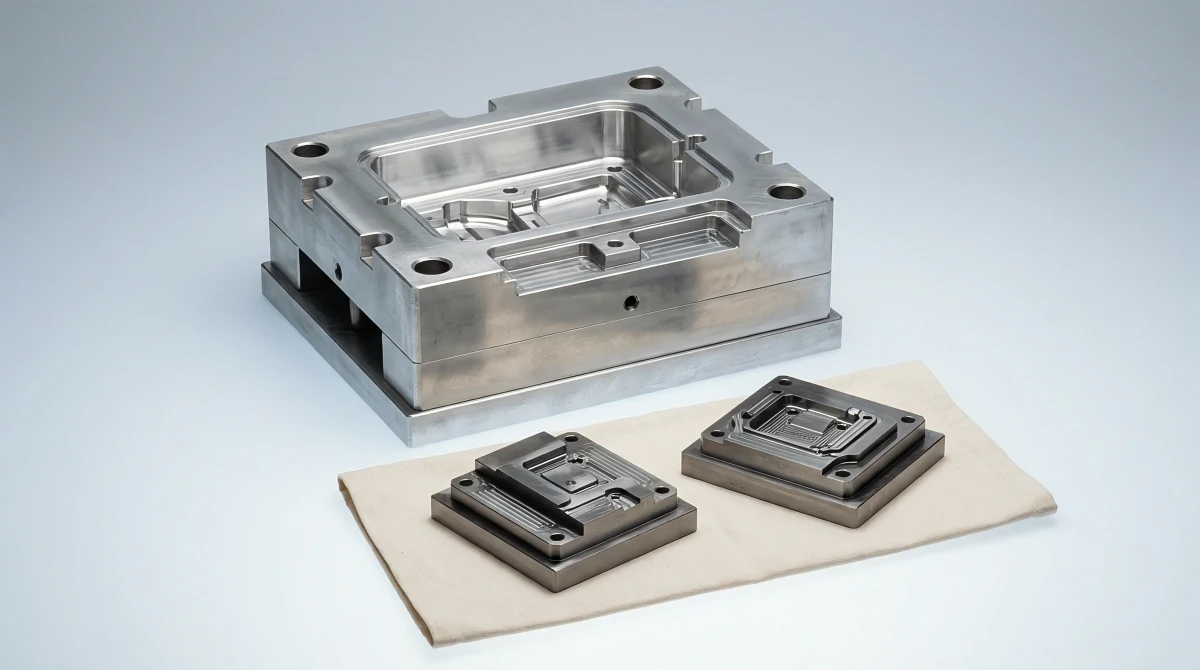
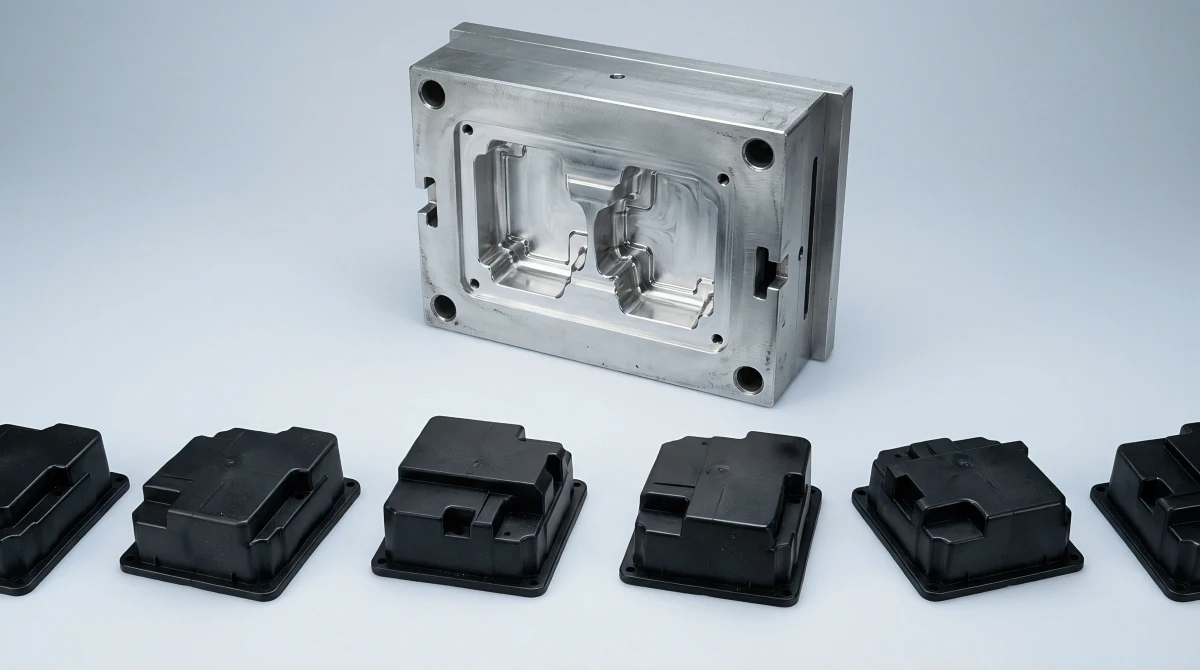
A shut-off is a surface where the two halves of a mold, or a core and a cavity, meet and seal so that no melt passes, leaving a hole or an opening in the part. Because steel slides or seats against steel there on every cycle, shut-offs are among the first places a mold wears.Wear
Filled resins wear shut-offs and the gate area first, according to the aluminum tooling column in Plastics Technology, and glass-filled flash is abrasive. A shut-off with minimal draft wears fastest, which is why slide-by shut-offs are named as areas to insert from the outset in an aluminum mold. Aluminum is rarely worn out everywhere at once; a tool usually ends at a gate, a shut-off or a thin steel-to-aluminum interface, and each can be built as a replaceable steel part.Read More
Draft at the Shut-Off
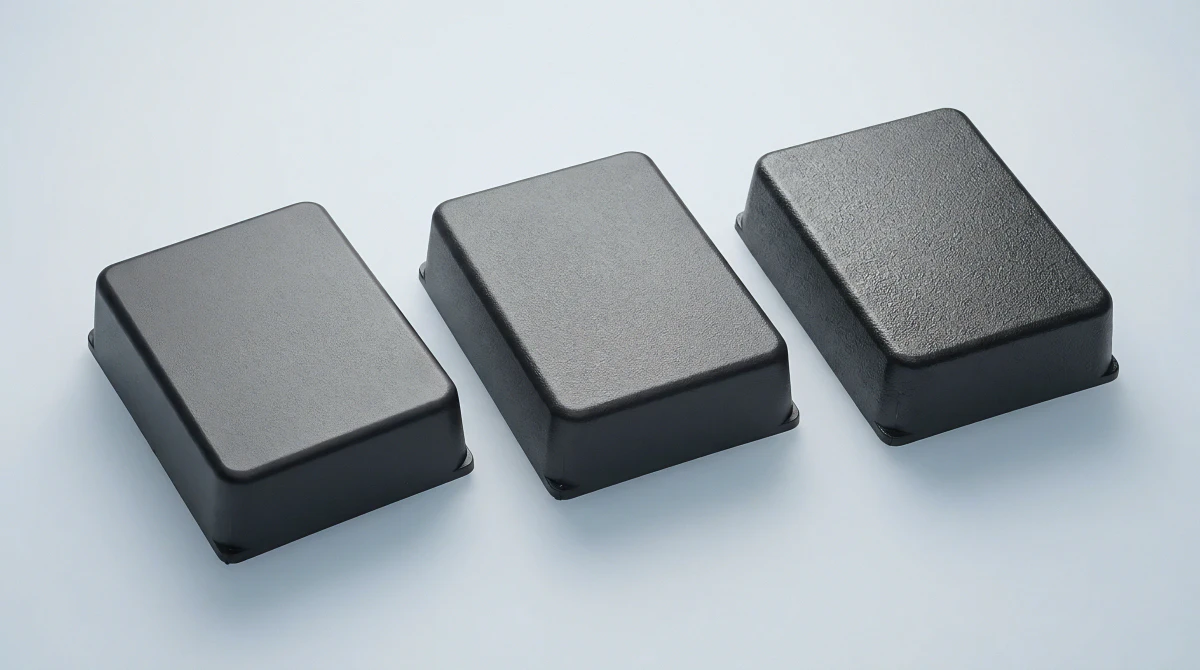
Boulder Engineering Studio puts the draft needed where core and cavity steel slide against each other at around 3° to 5°, with 3° a good value. A snap fit with a lightly textured face may need far less draft on its visible walls, yet the hole beneath it is drawn oversize so that the shut-off can carry 3°. Standex adds that shut-offs on textured side walls need extra draft or special work for the part to release cleanly.Signs on the Part
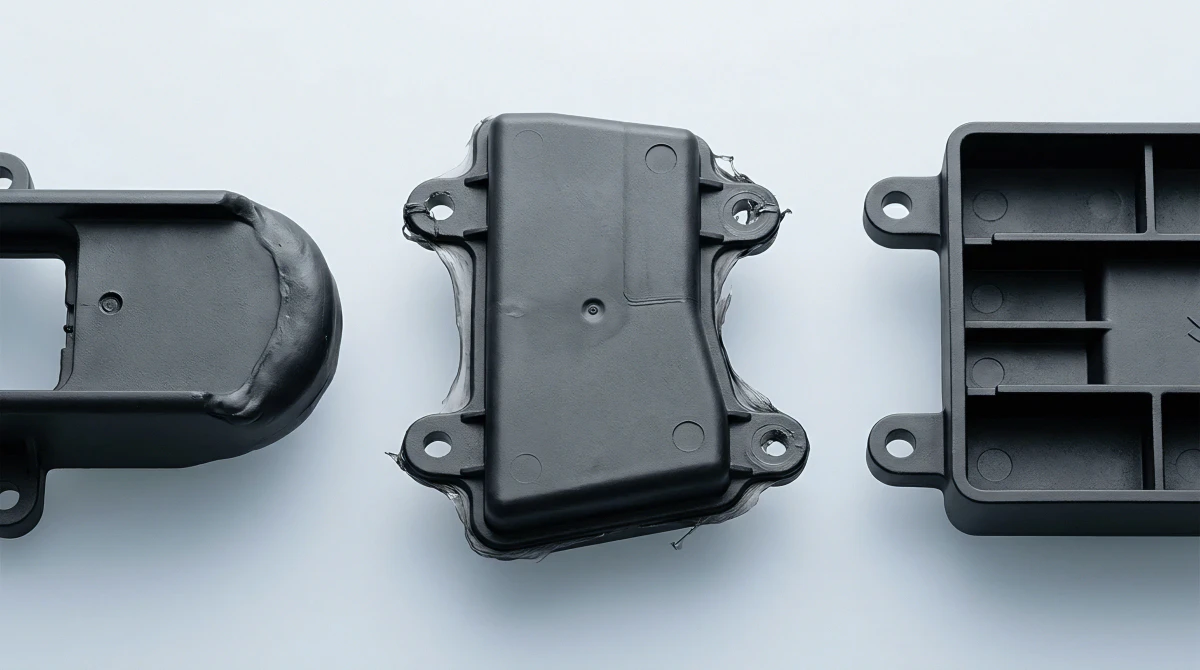
Flash at the parting line points to excess pressure, a worn or contaminated shut-off, or a vent cut too deep. Part weight that drifts at a hold time which used to give a plateau points to a gate, a shut-off or a check ring that has changed. Both are read before the dimensions move.Maintenance
Shut-offs are checked at every tool removal. Sliding or angled shut-off surfaces use different steels with at least a 10-point Rockwell difference in hardness to resist galling, and flat shut-offs are scribed clearly before a mold goes out for texturing.