Draft

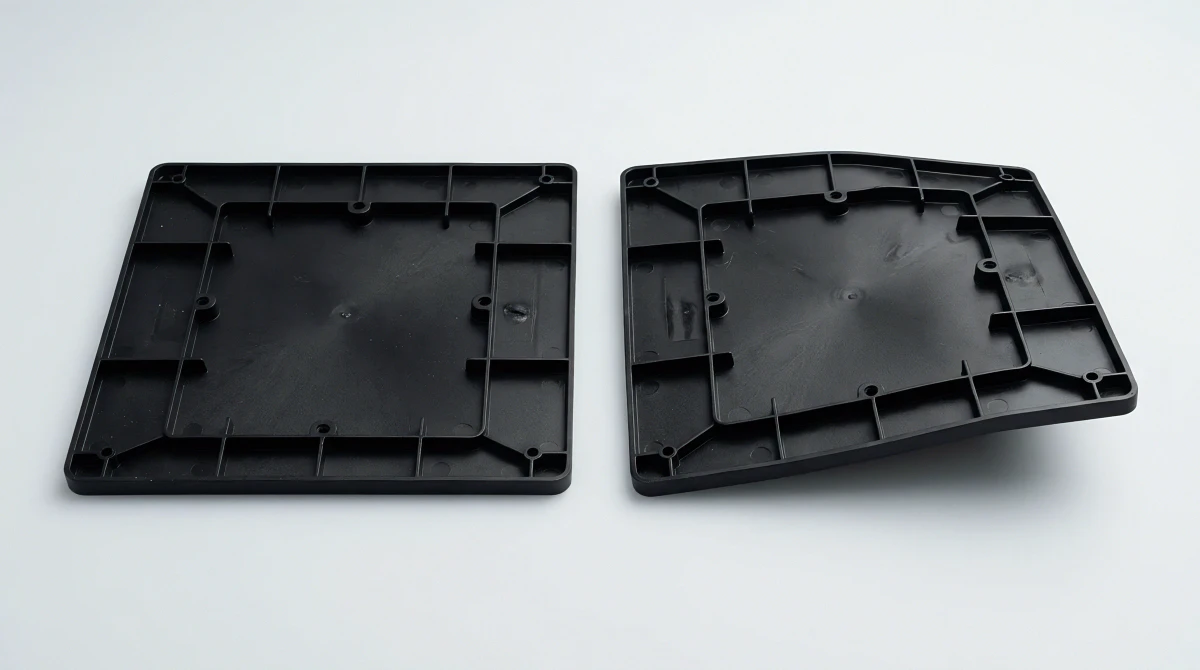
Draft is the taper on a molded part's walls, in degrees per side, that lets the part slide off the cavity and core.

Every Draft article of the Injection Molding Resources, newest first, each written from published standards, research and makers’ data.

Meaning

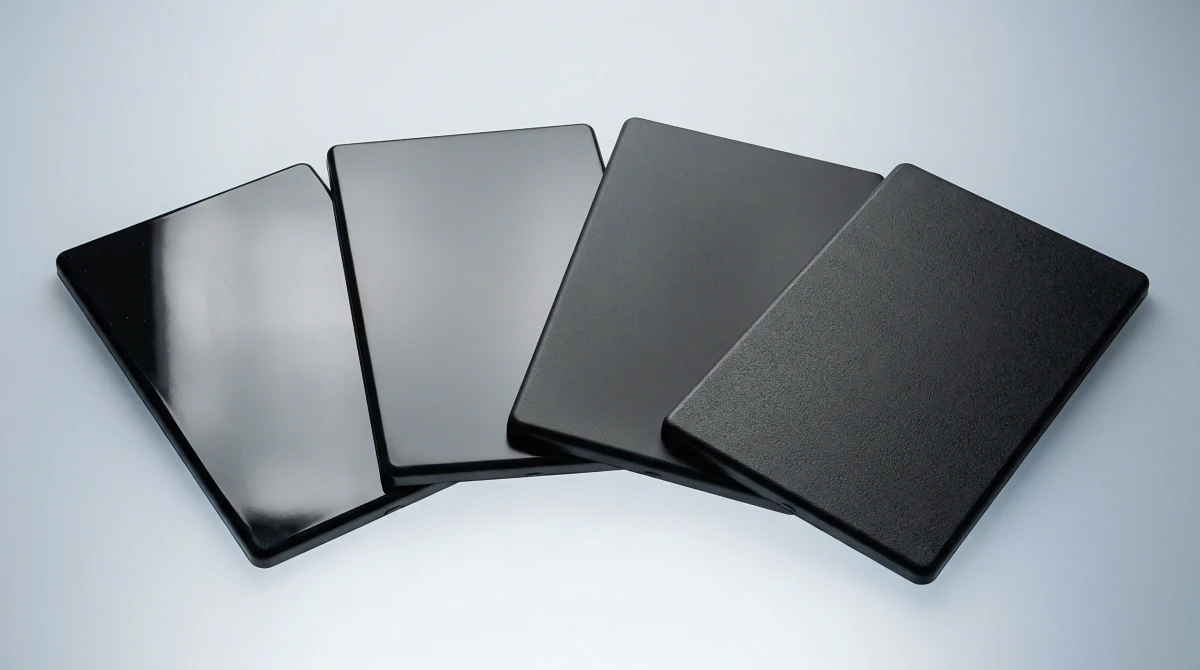
Draft is the taper on a molded part’s walls, in degrees per side, that lets the part slide off the cavity and core. It is stated in degrees per side. A smooth polished wall needs little of it. A textured wall needs much more.

Typical Range

DuPont recommends 0.5° to 1° per side for ribs, bosses and sides in nylon. Softer, more elastic resins take up to 2°. A part that sticks to the cavity half instead of the core points to draft, polish or temperature.
Read More

Texture Rule

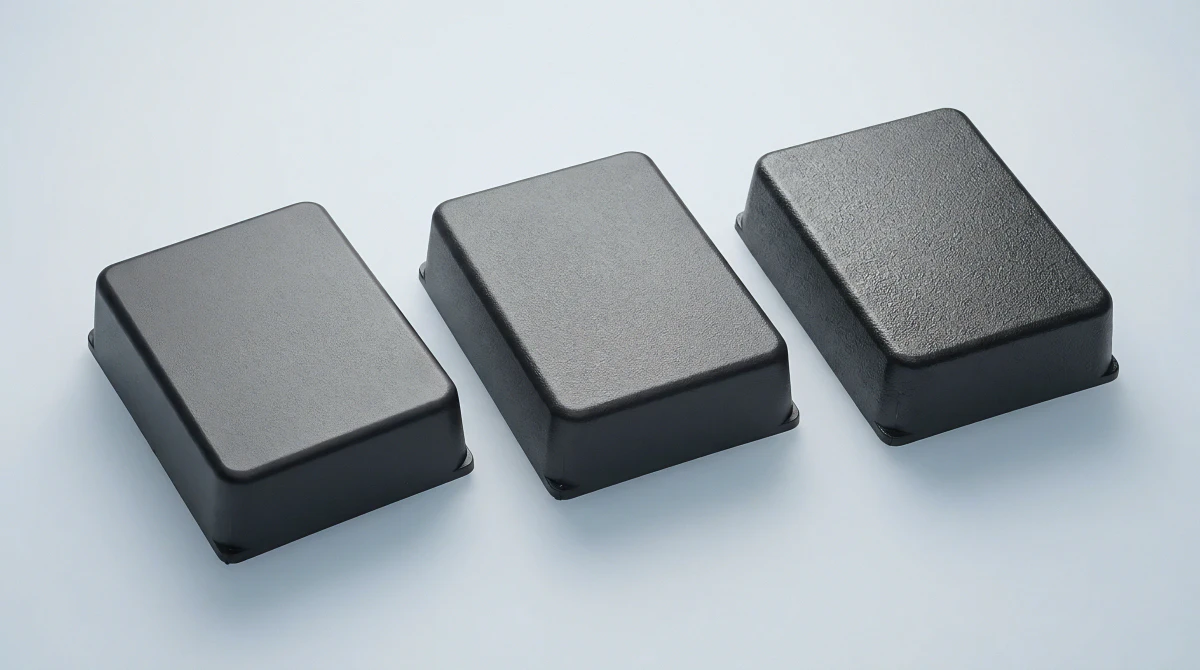
A blasted or textured surface holds the part, so every texture needs draft. Standex Engraving Mold-Tech, the texture maker, now states that the old rule of 1.5° of draft for every 0.025 mm (0.001 in) of texture depth is no longer a valid guideline, and recommends 1° for every 12.5 to 15 µm (0.0005 to 0.0006 in). A texture 0.051 mm (0.002 in) deep therefore takes 3.0°, and one 0.102 mm (0.004 in) deep takes 6.0°.

Shrink-On Walls

The same sheet says walls where the part shrinks onto the steel need 2 to 3 times that draft. Lifters, slides and shut-offs on textured walls are judged on their own angle of action or need more. Under the rule, MT-11030 corresponds to a depth of about 0.05 mm (0.002 in) and MT-11010 to about 0.025 mm (0.001 in). The rule gives the order of magnitude, and the texture supplier gives the real figure.

Wear and Venting

On an aluminum tool, slide-by shutoffs with minimal draft are the first places to wear under a glass-filled resin. Covestro asks for venting at the apex of the draft on ribs of its conductive polycarbonate.

Drawing Callout

A finish note that names a texture also names its depth, because the depth sets the draft the wall carries. A blasted finish on a wall with no draft asks the part to slide off a surface designed to hold it.
Mold Maintenance and Spare Inserts Across a Bridge Injection Molding Run

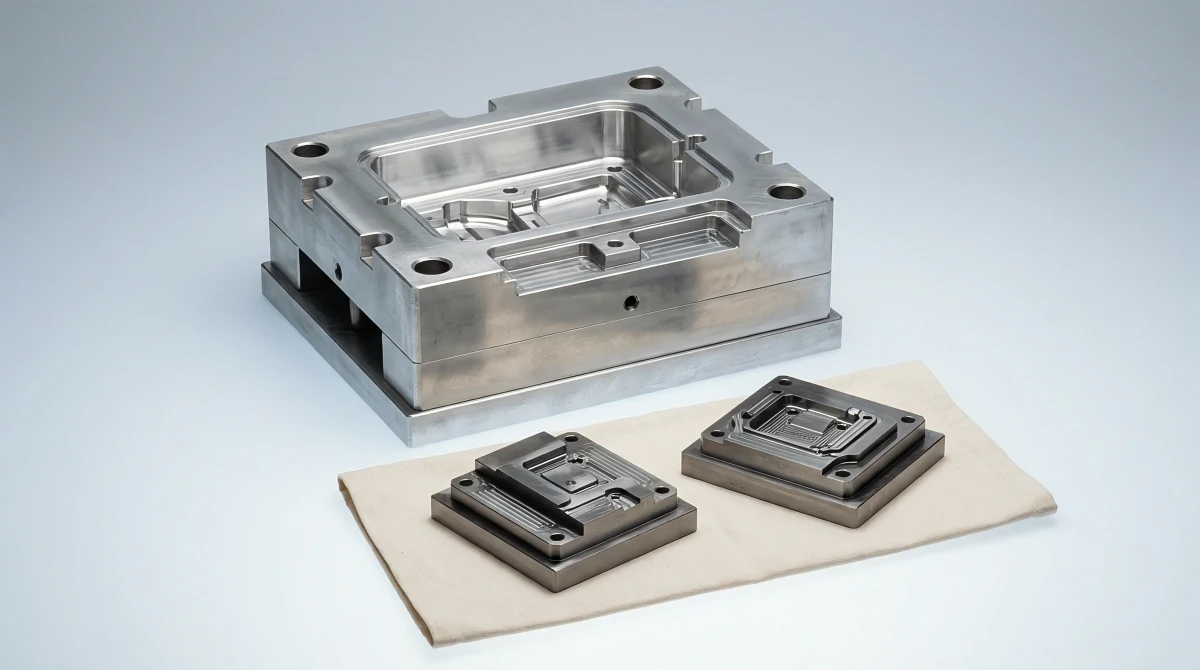
How a bridge mold is cleaned, inspected and fitted with inserts across a run, so that wear is recorded, predicted and met with spares instead of stoppages.

What a Bridge Mold Needs Between LotsThe aluminum maintenance column is plain on the first rule: an aluminum mold is taken apart and cleaned thoroughly after every run of parts, and cleaned again before storage, however short the run. It can often run five to seven days before it needs cleaning, the author notes, though some resins and some molds with actions need it after two to three days.

Draft Angle by Texture Depth on Injection Molded Parts

How much draft a textured wall needs for its depth, under which conditions each published figure holds, and how the mold and the part are checked.

How Much Draft a Texture Depth NeedsStandex Engraving Mold-Tech's technical data sheet gives the current recommendation from the texture maker: 1° of draft for every 0.013 to 0.015 mm (0.0005 to 0.0006 in) of texture depth. Per 0.025 mm (0.001 in) that works out to between 1.7° and 2°.

How to Start Up an Injection Mold and Take the First Shots

A new mold is started cold on purpose, filled in stages with short shots, and read for vents, gates and heat before any process is fixed.

The Start-Up Sequence from a Cold Barrel to the First ShotEight moves take a machine from cold to its first complete part. The first four prepare the melt, the next three shape the shot, and the last one is a decision: whether the part describes the tool or only the settings.

SPI Mold Finish Grades A-1 to D-3 for Injection Molded Parts

The SPI finish grades read for a buyer, with what each method gives, how texture costs draft, and how a finish is written and kept on an aluminum tool.

What the Twelve SPI Finish Grades SpecifyThe SPI system names a finish by a letter and a number. Its letter gives the finishing method, A for diamond buff, B for grit paper, C for stone and D for dry blast, while the number runs from 1, the finest within a letter, to 3, the coarsest.

Request an Injection Molding Quote

Send the 2D drawing and the 3D file, with the quantity and the stage of the project. An engineer replies within 1 working day.

The quote form, the mutual NDA and the private folder for your files are on Protolis Atelier, with Injection Molding chosen.

Request a Quote